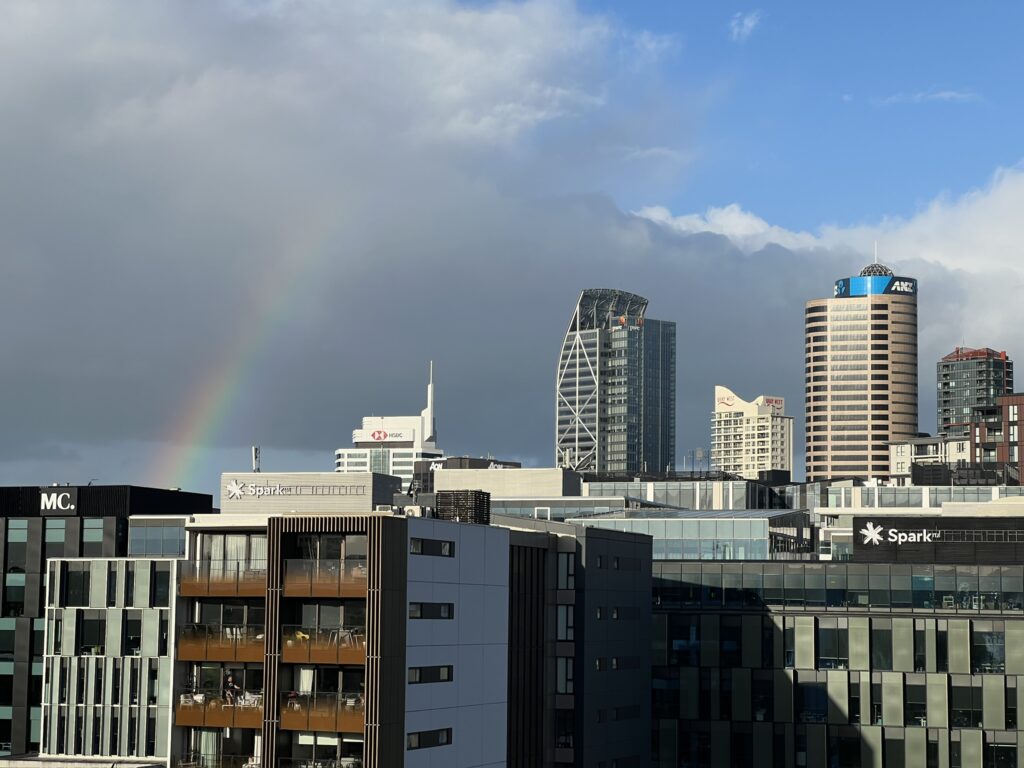
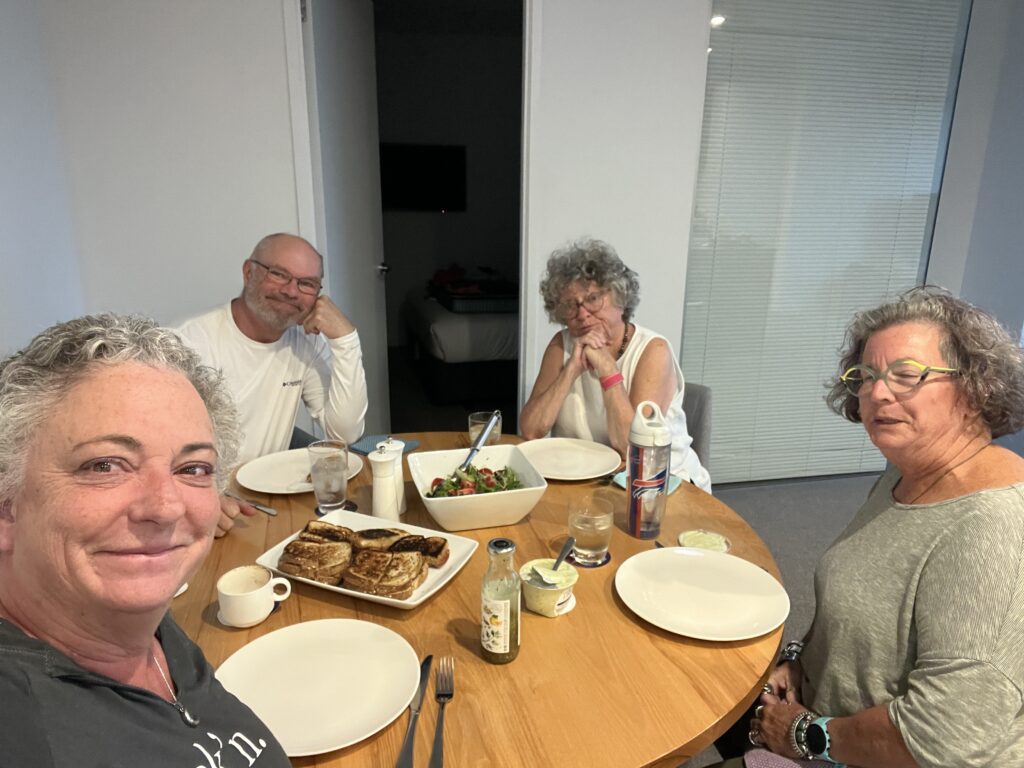
October 9th-Dinner for this our final supper (10.9) in Auckland was toasties and salad. Sorry, Dotty about getting you with the eyes closed! We have been looking for rainbows every time it rained and the sun then shone bright.
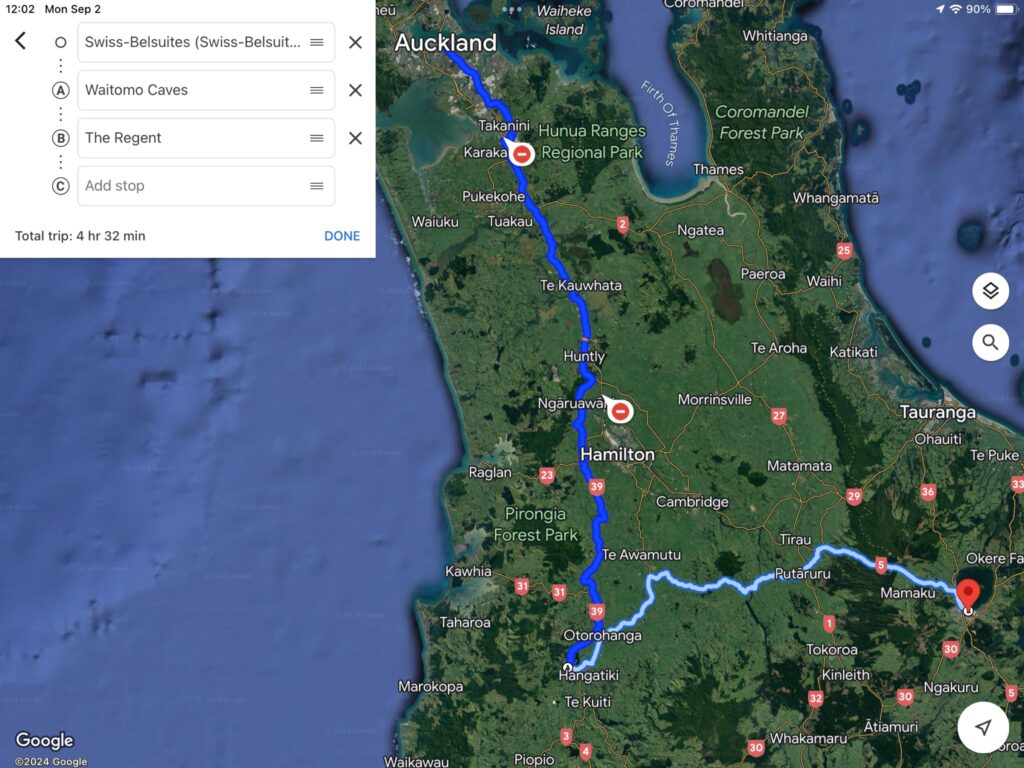
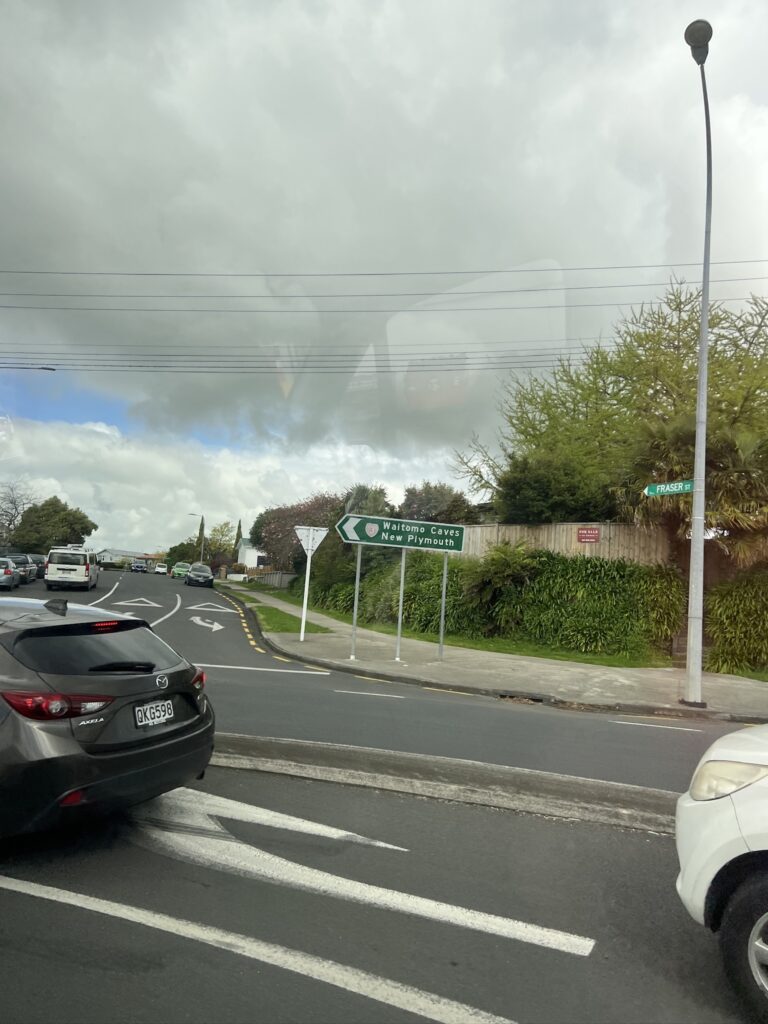
October 10th-Driving to Rotorua via the Footwhistle Gloworm Cave (which is close to the Waitomo Caves). I guess I should have been posting our travel maps, but I forgot.
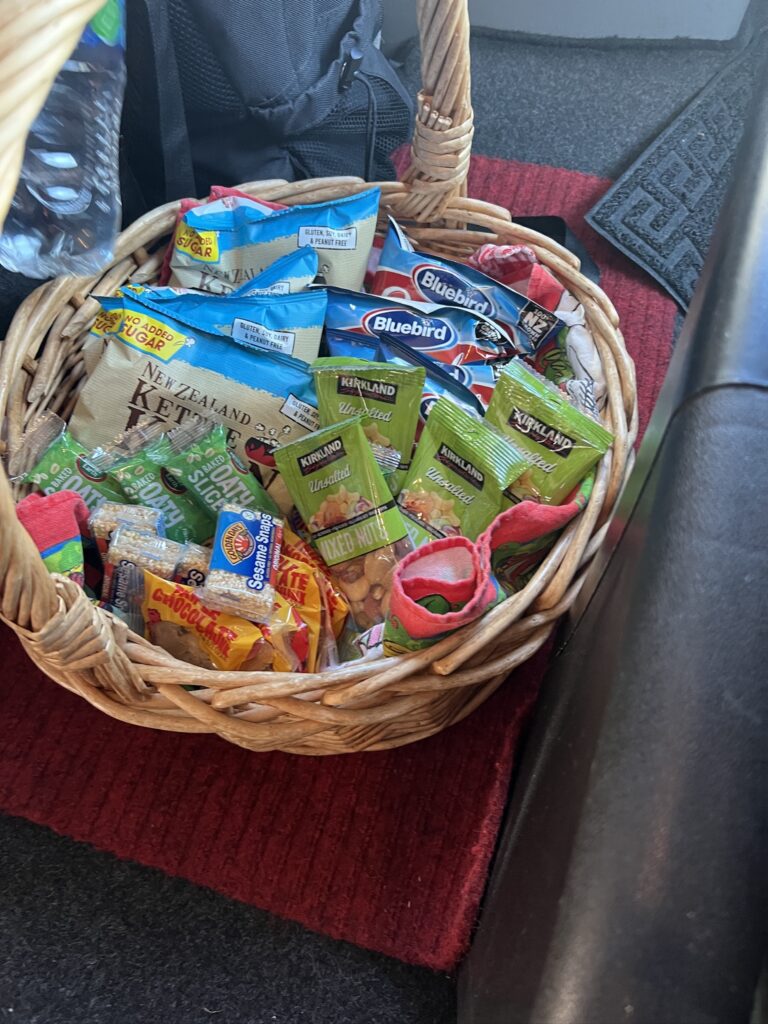
Our driver today was Harry. He was very informative, had plenty of room in the van for our luggage, could see out the back, and not only had still water for us, but sparkly as well. The pièce de résistance… A snack basket with a cloth napkin underneath to make pretty.
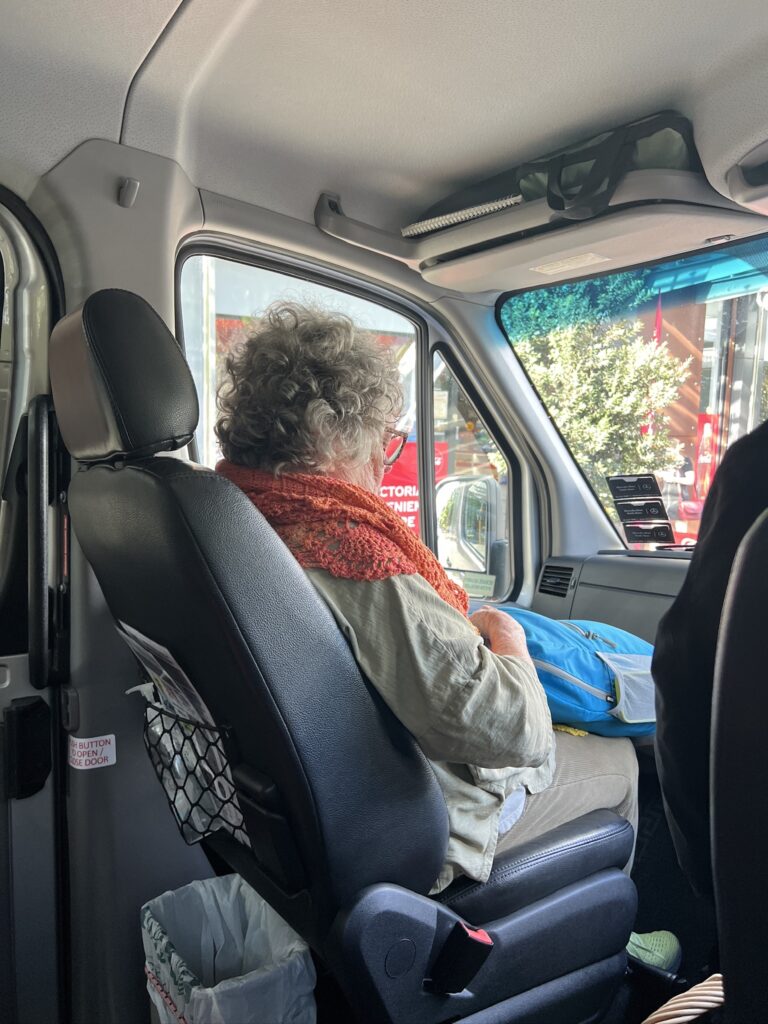
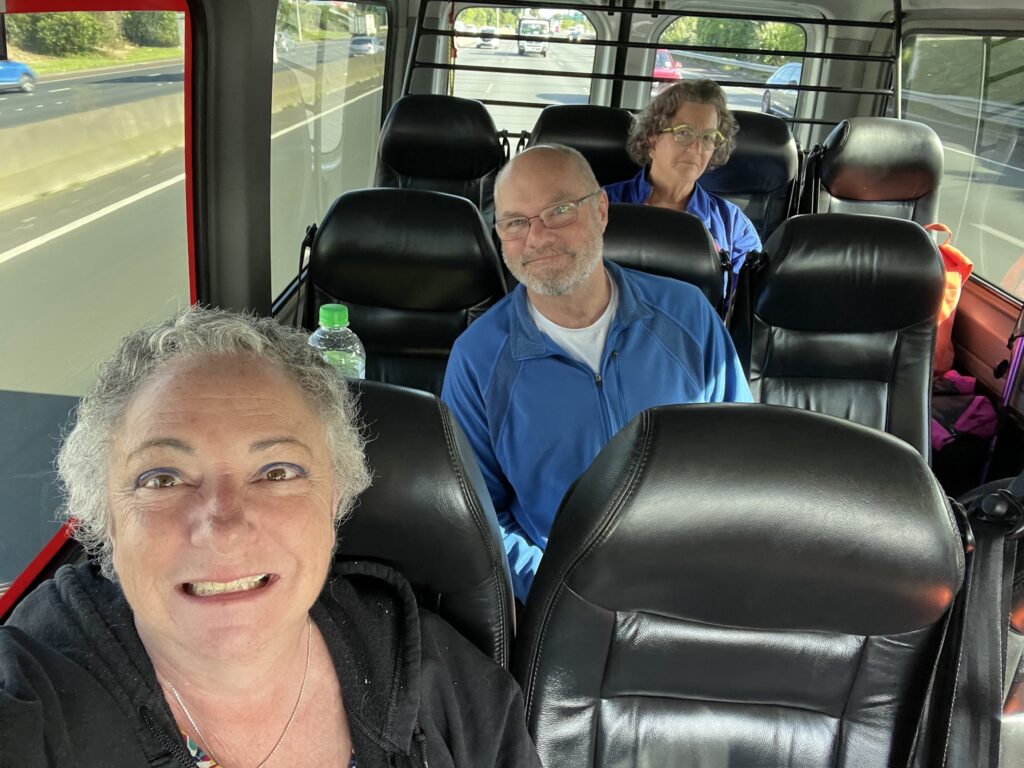
Harry was wonderful. He taught us plenty of Maori words and talked about the scenery along the way. We even saw a rainbow.
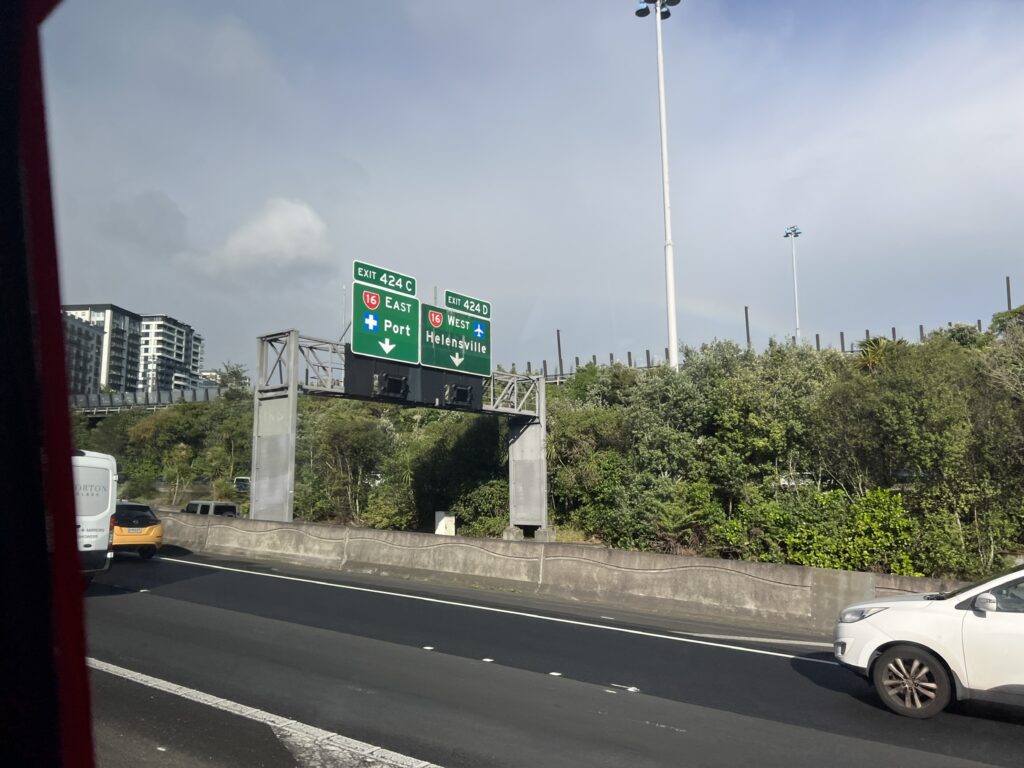
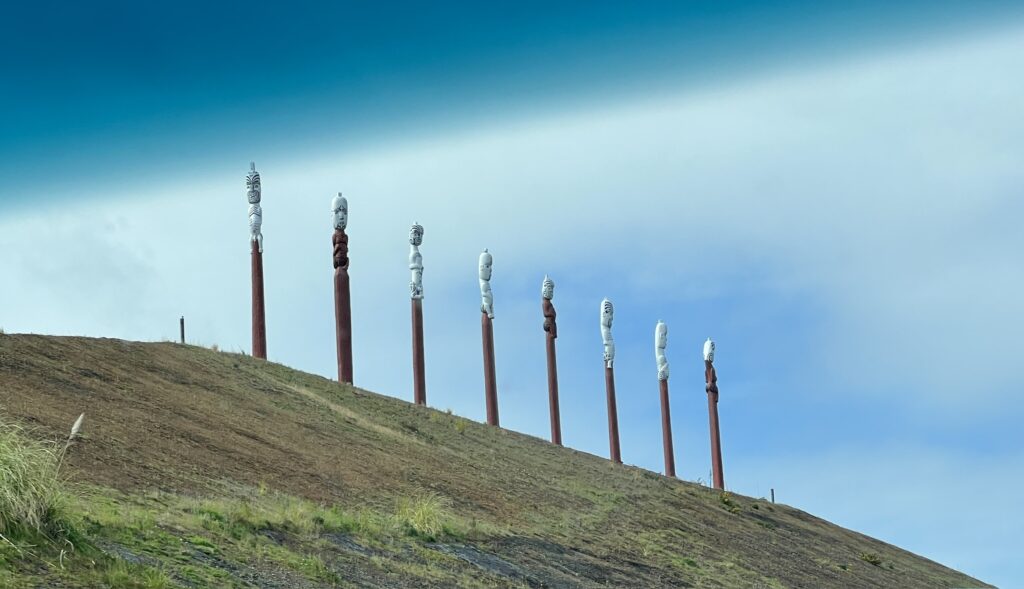
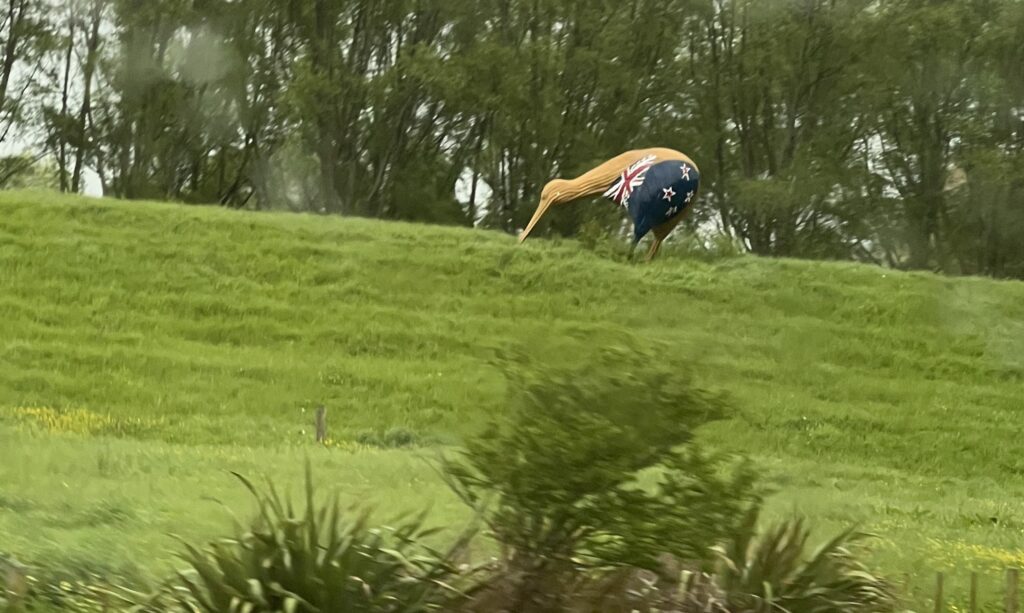
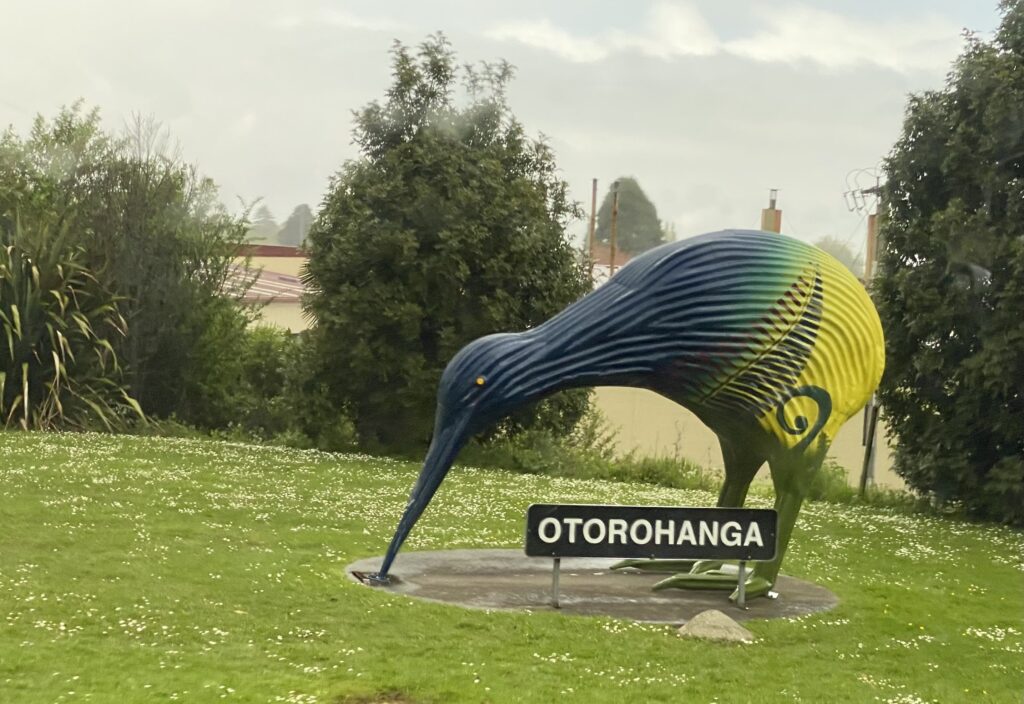
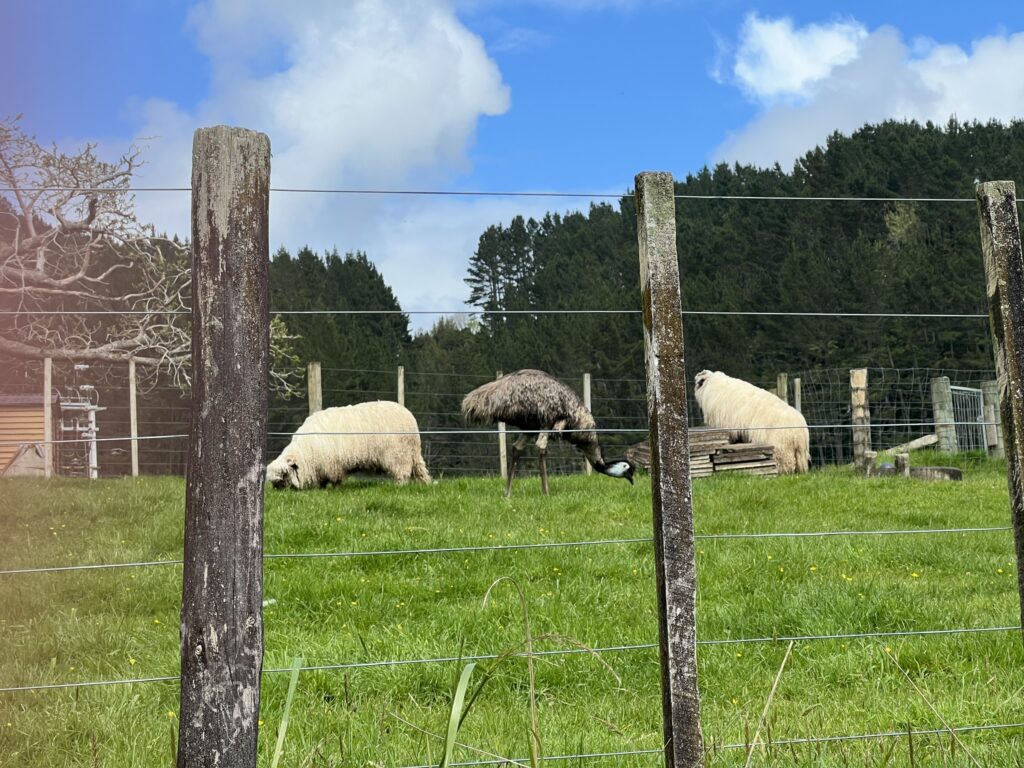
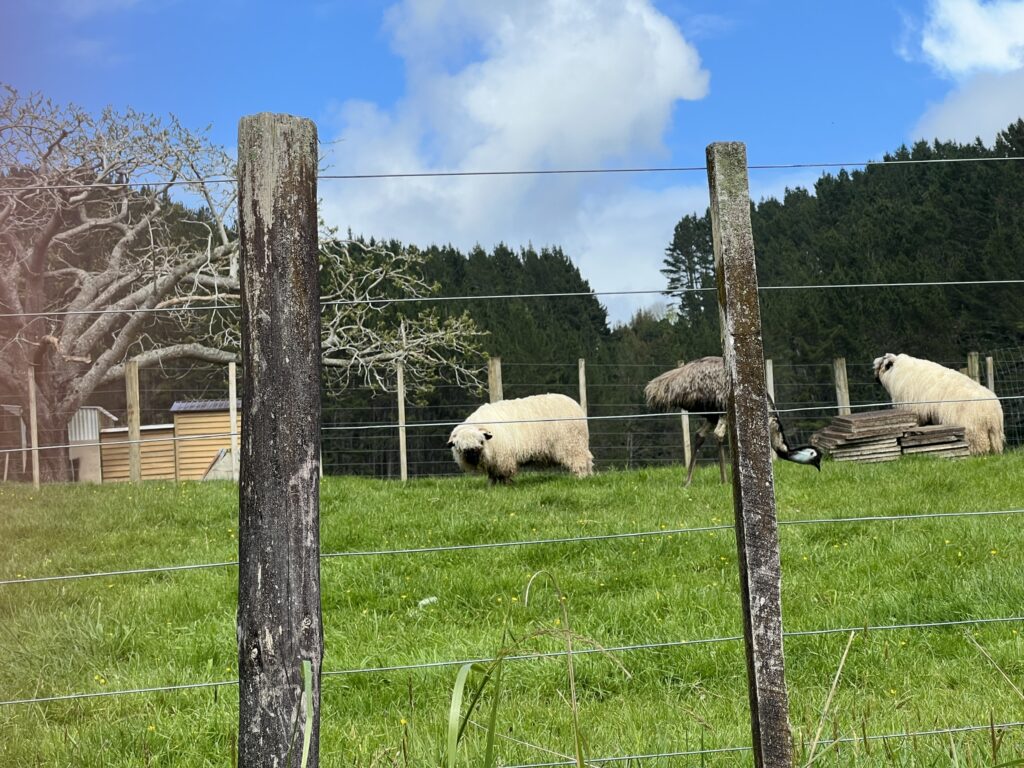
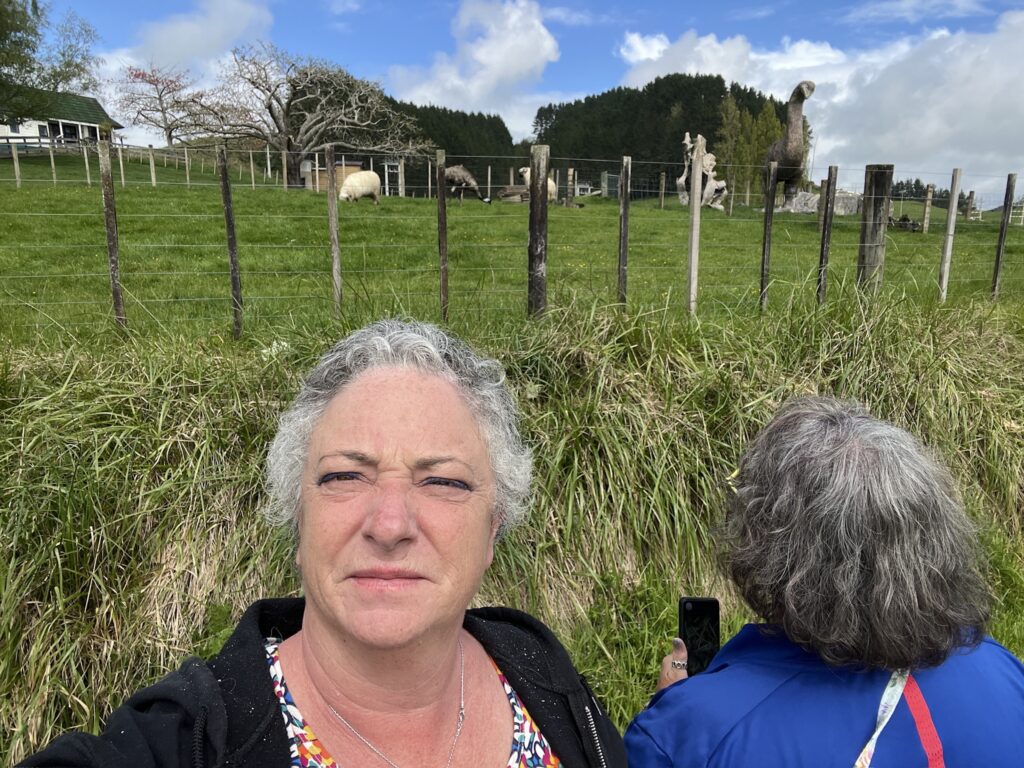
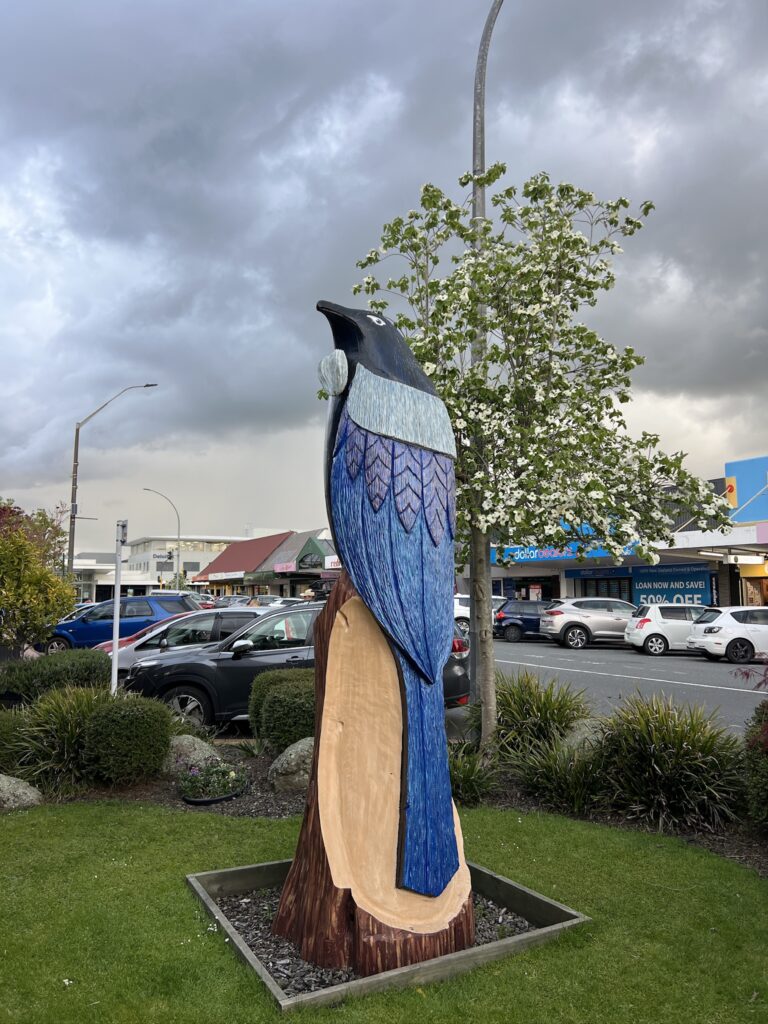
The last driveby we took went by a petting farm. (It actually belongs to Ross and his family and is also a B&B!) He has lots of miniature animals including a Highland cow, but we werent able to get a picture of the furry cow. The Moa bird is extinct now. The sculpture is the actual size of a small Moa.
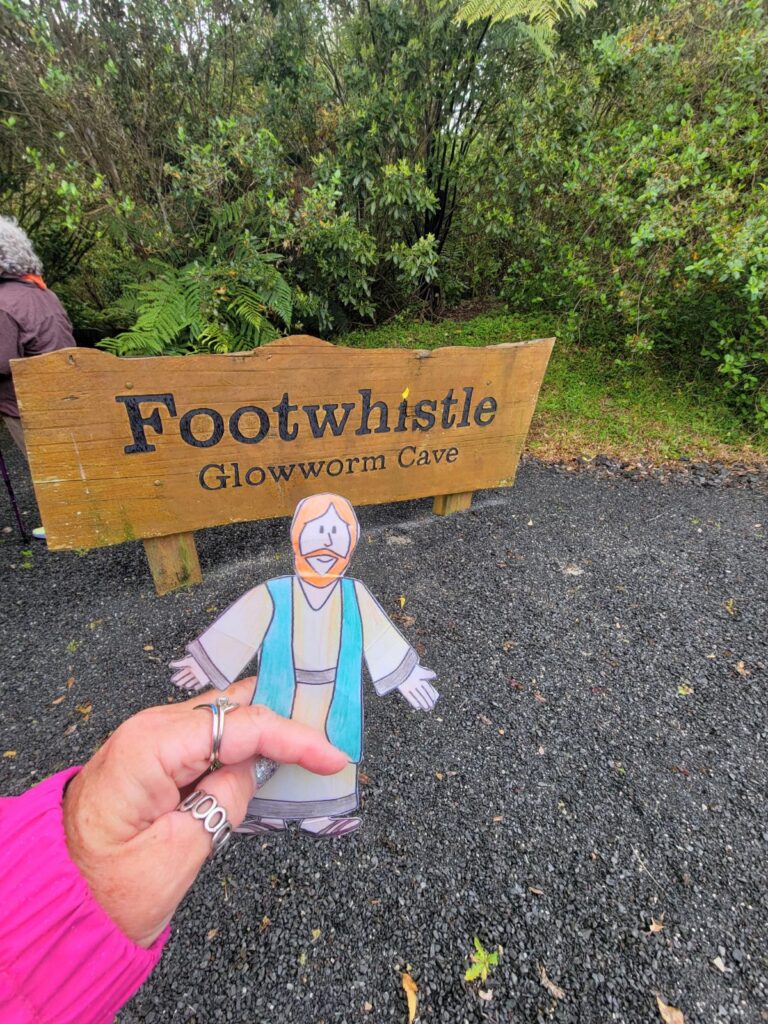
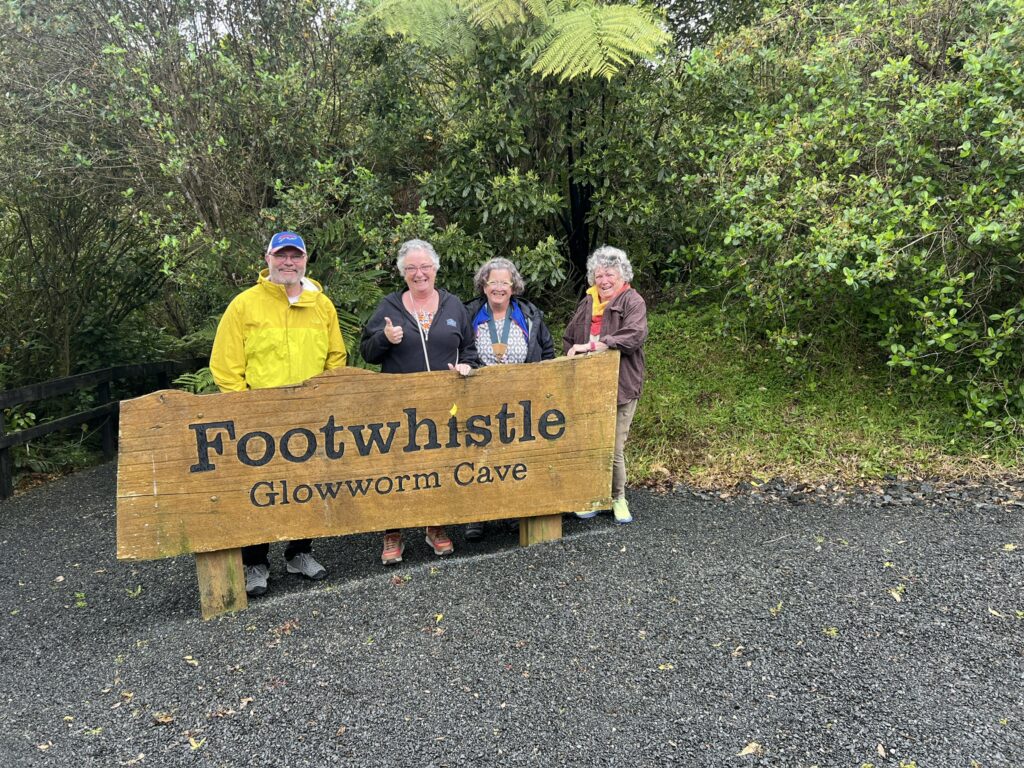
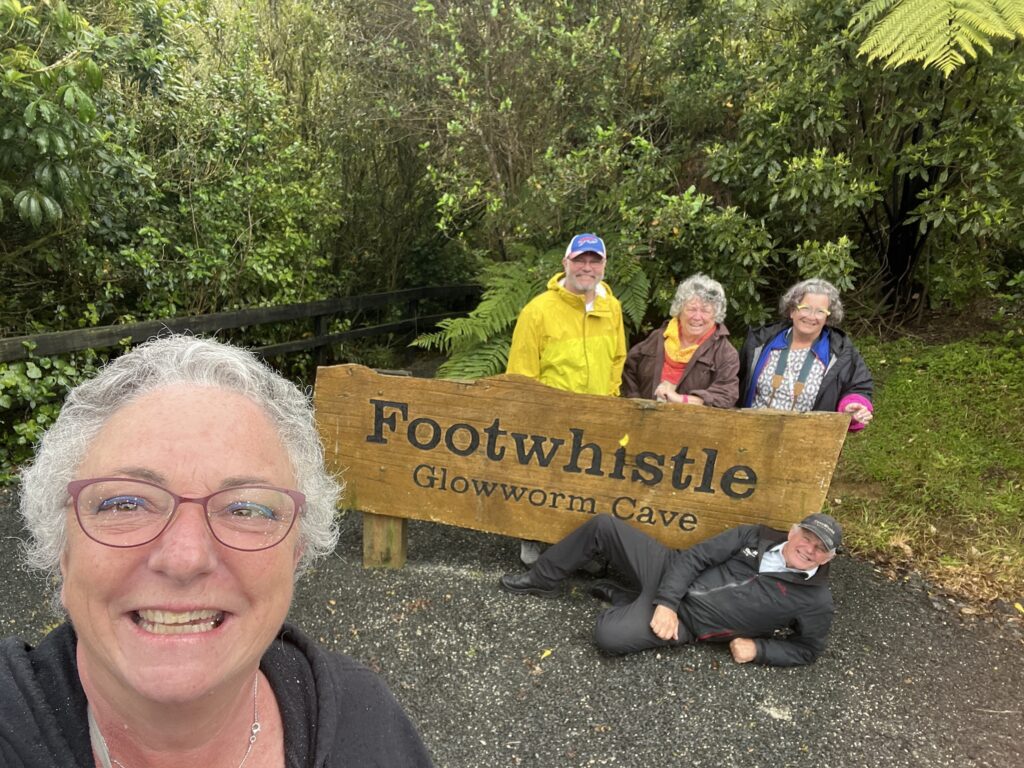
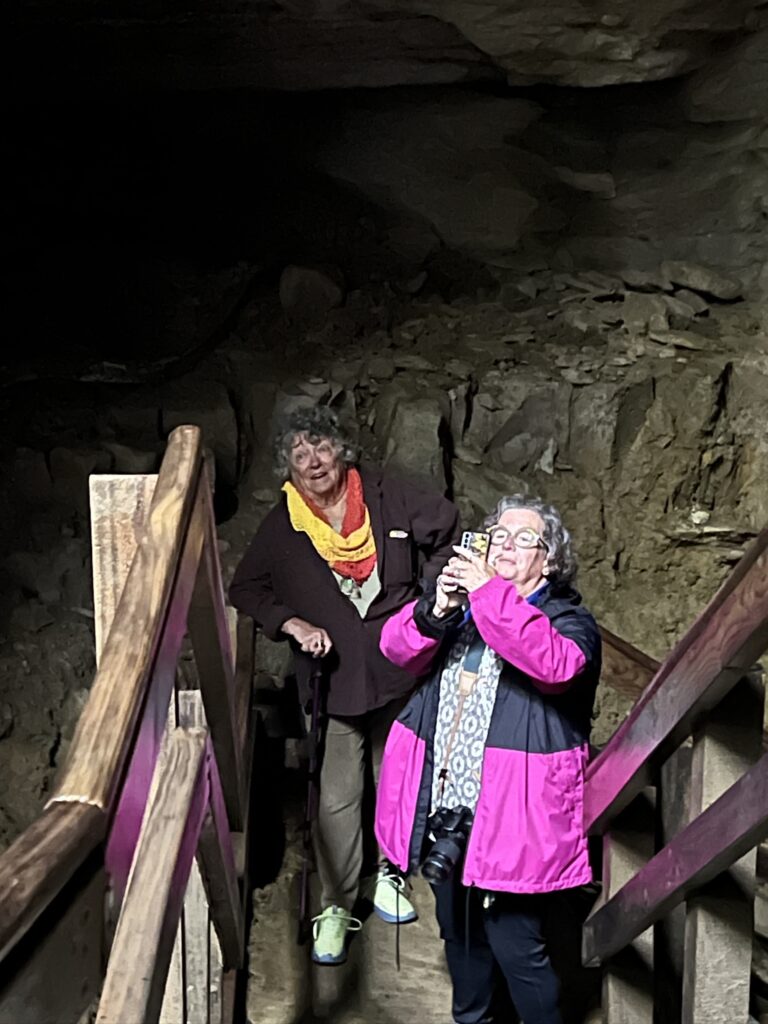
I know you probably thought we were going to see lions and tigers, but alas, no. Just gloworms. Thanks to Kate our travel agent we were booked to see the gloworms in Footwhistle Cave. Footwhistle is a privately owned gloworm cave. Our guide, Ross, the father of the man who owns the farmland where the cave was found and who helped his son excavate the cave so a track could be laid to walk through the cave, was brilliant. We had no one else on our tour and Ross spent an inordinate (not really, the typical 1.5-2 hours) showing us the cave, explaining about gloworms which are really catepillar type creatures and when they eat they are hungry they become brighter attracting insects. Gloworms are canibals and will eat other gloworms if they are too close. Another interesting gloworm fact: when gloworms turn into flies, they have no mouth and therefore die out within 3 days.
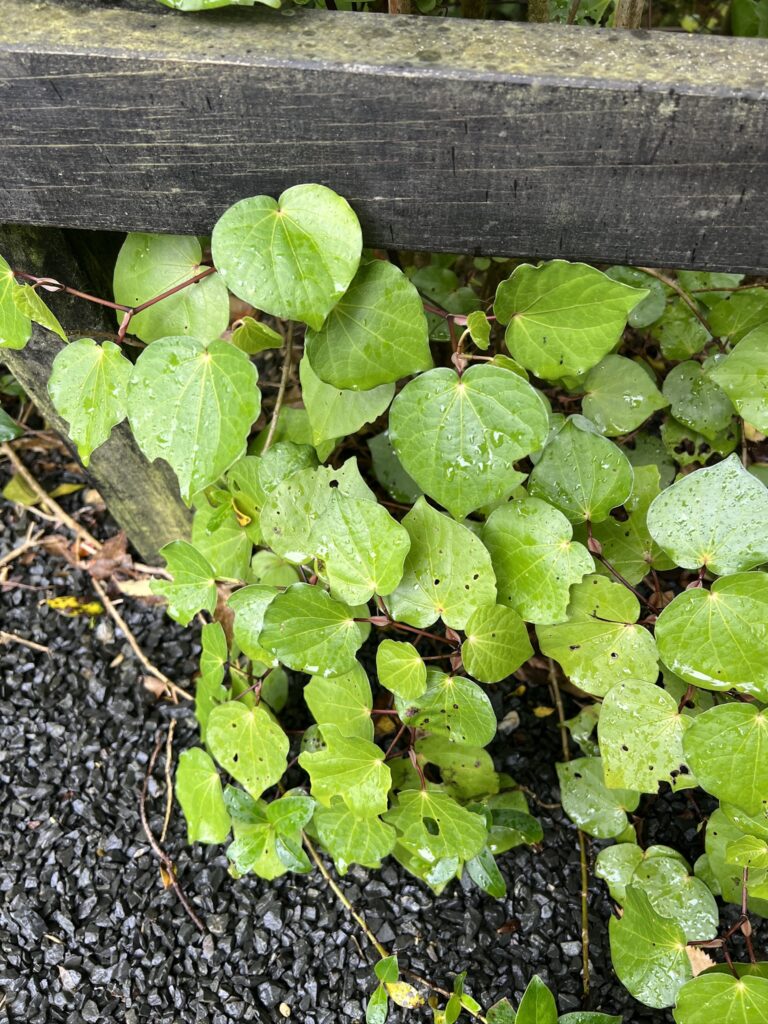
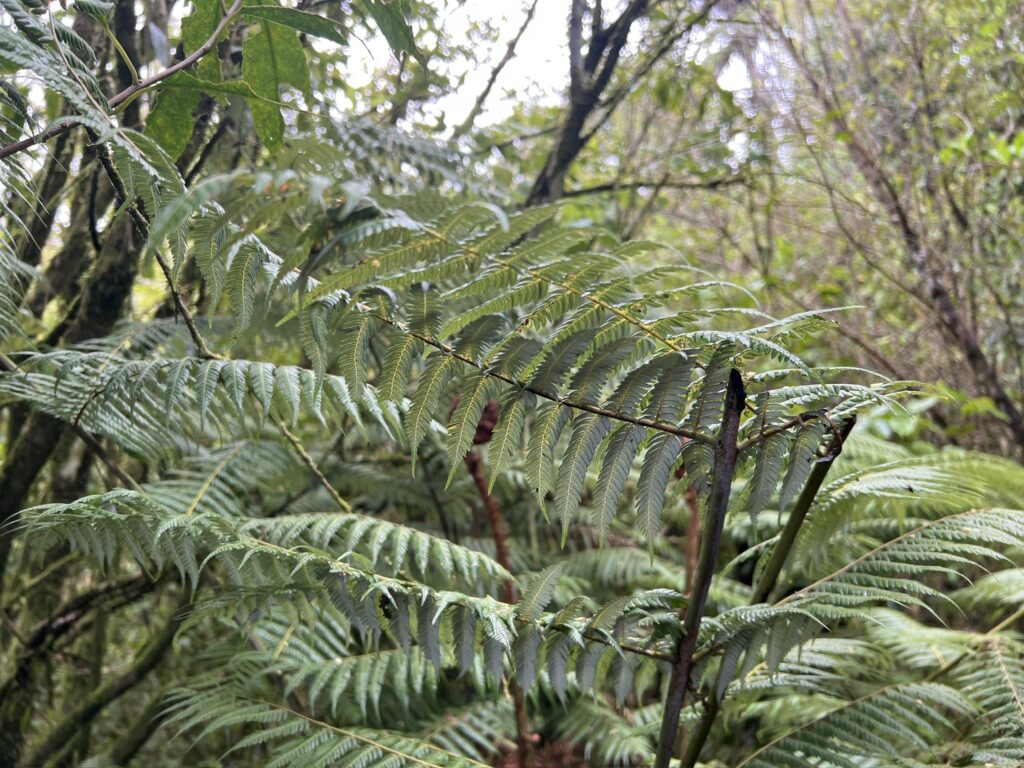
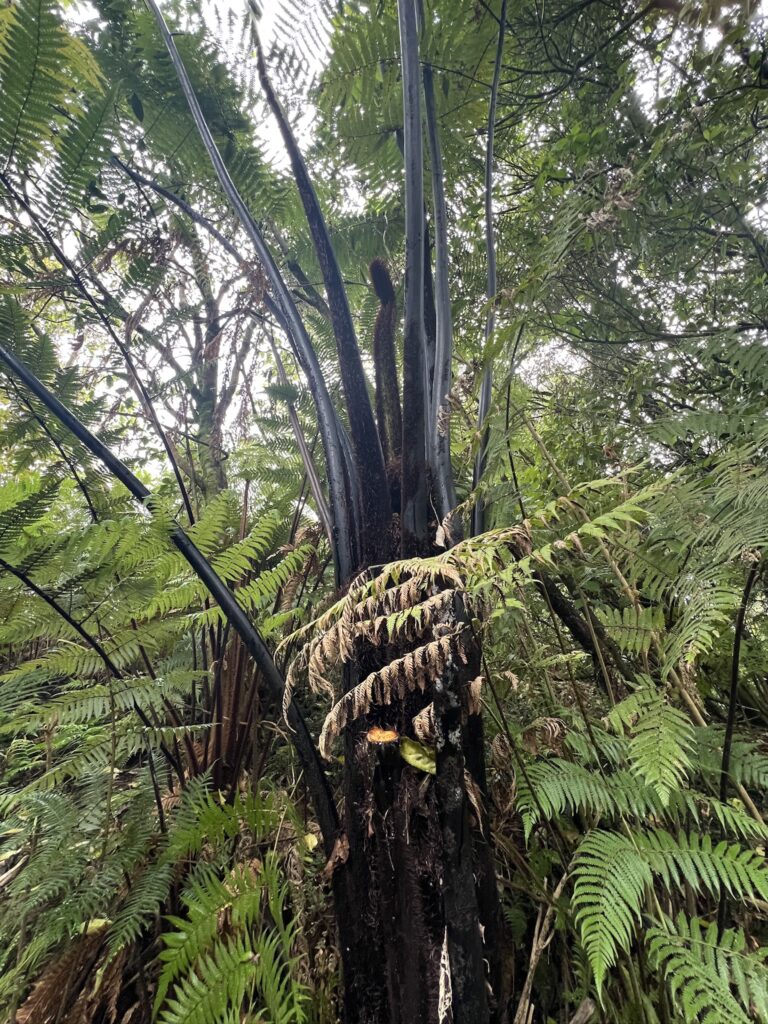
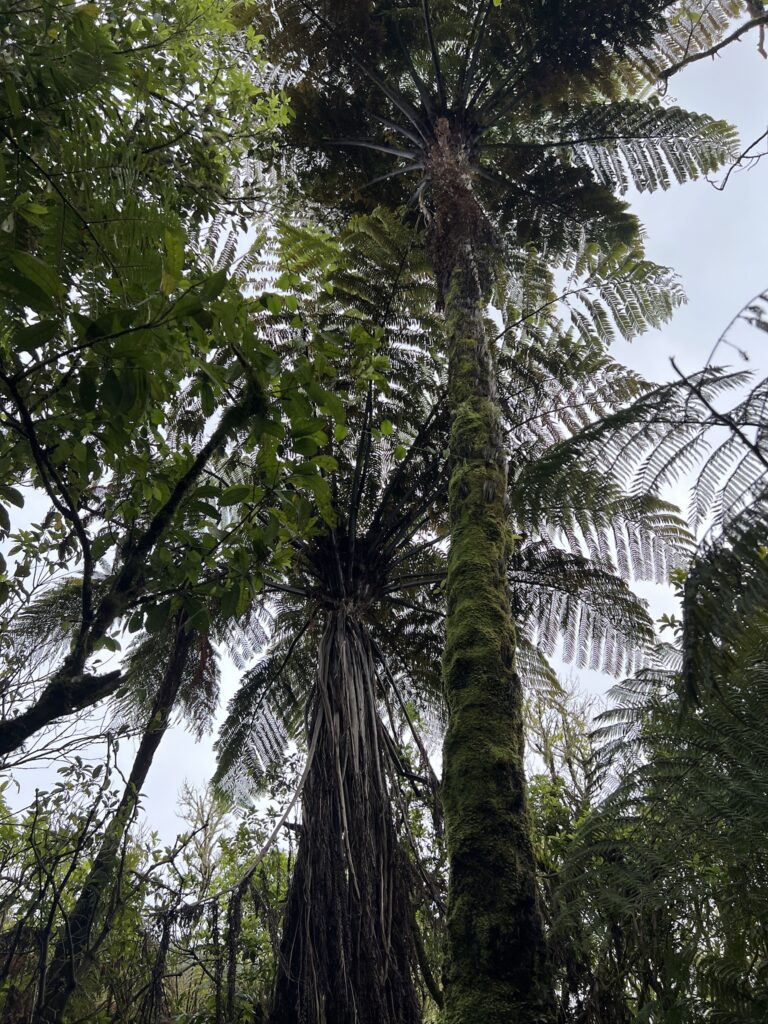
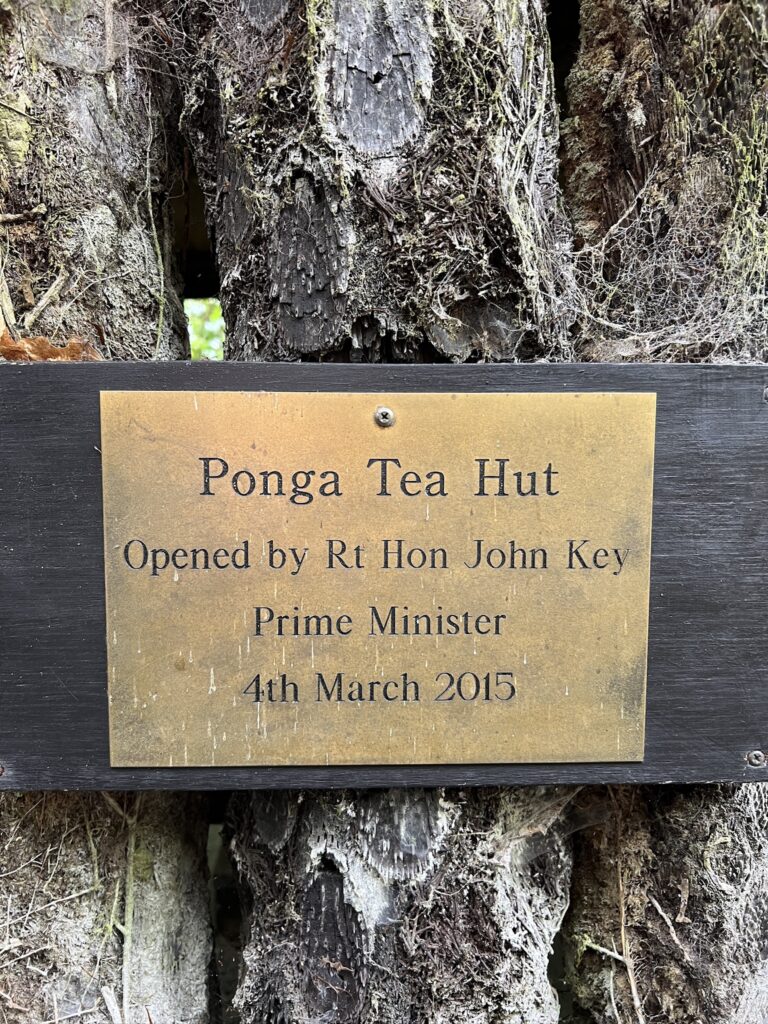
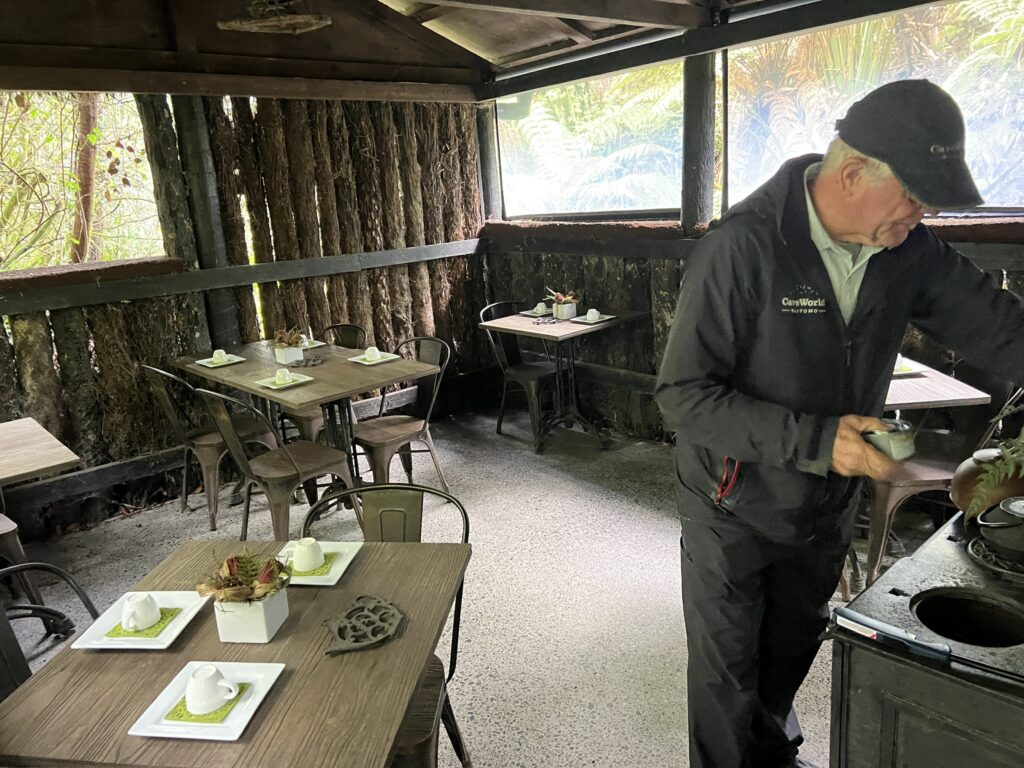
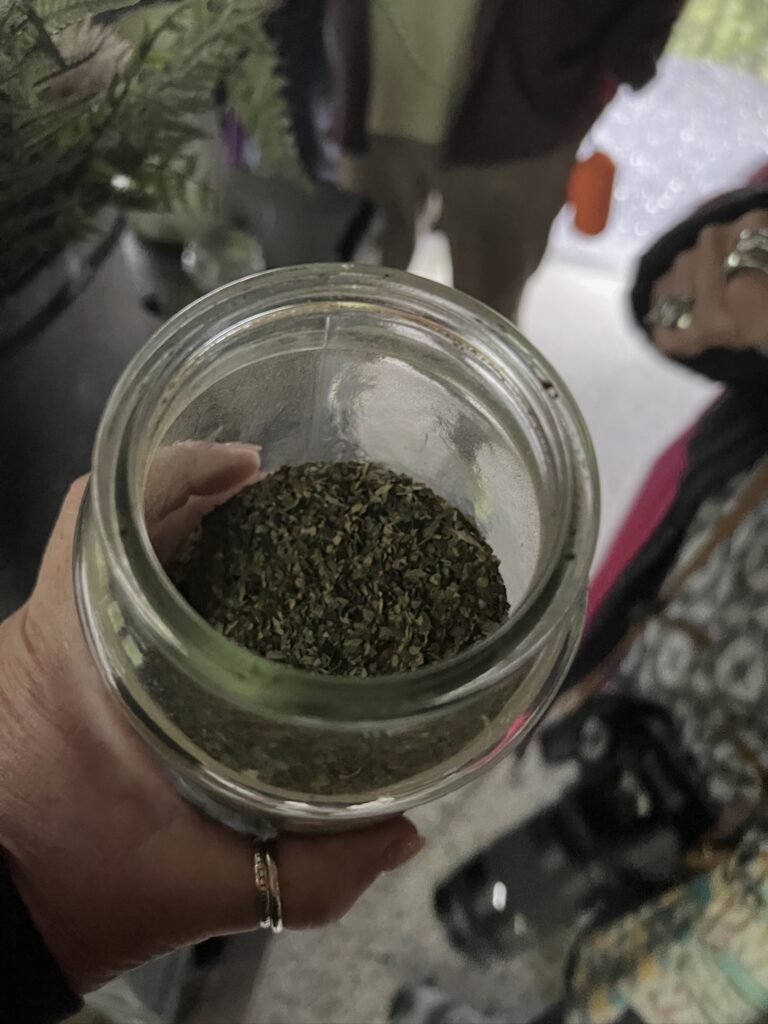
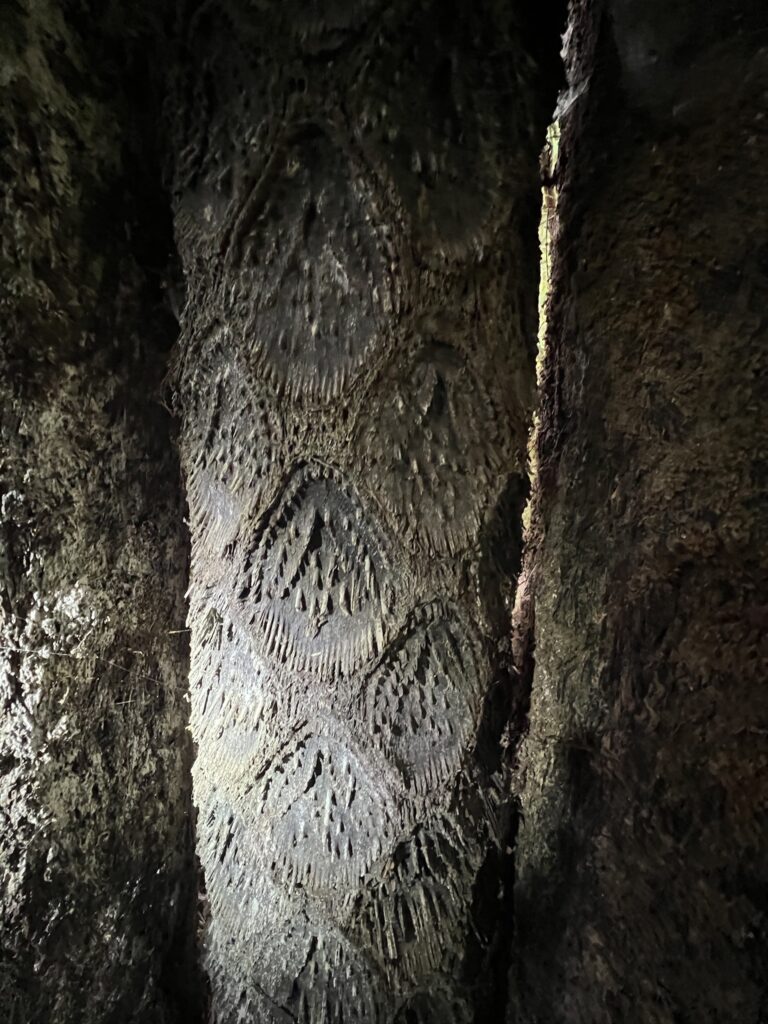
Ross drove us to his son’s land, explained about the Kawakawa plant which can be used in teas and for medicinal purposes; the silver fern which is the symbol of New Zealand; the brown fern and the black fern, more like trees than actual ferns and can be used to build houses and were when the Maori first arrived in New Zealand. Ross started the tea, made from dried Kawakawa leaves, before taking us down the 1 million steps into the cave. JK but it felt like 1 million stairs as we had to climb back up them after the tour was over.
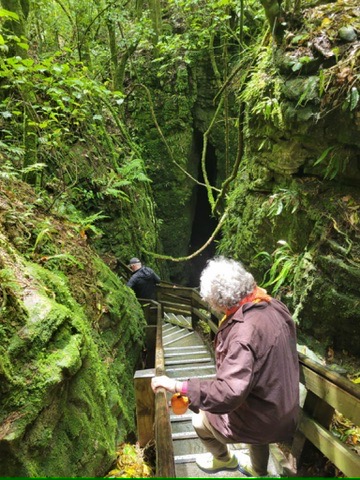
Now down, down, down into the cave
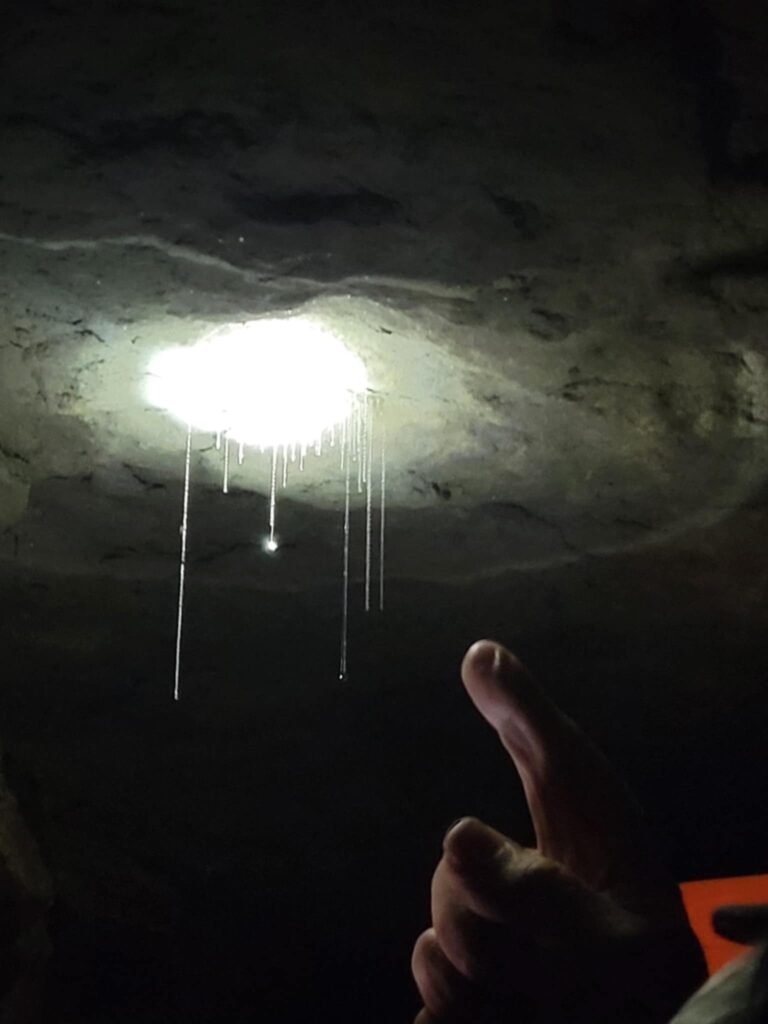
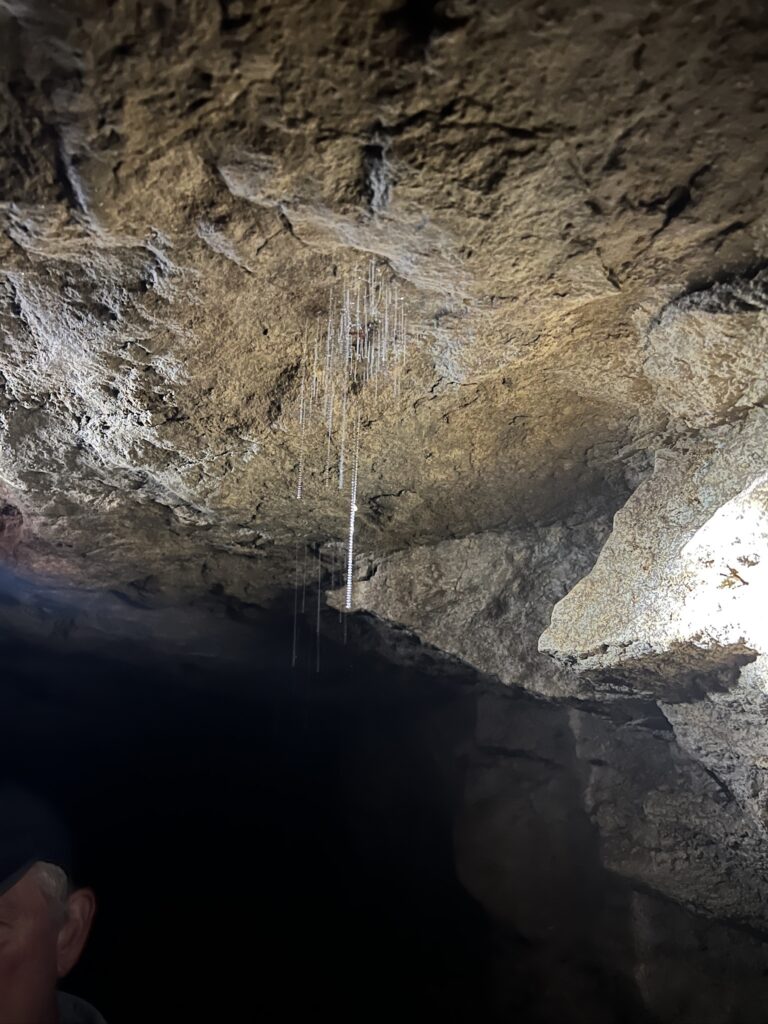
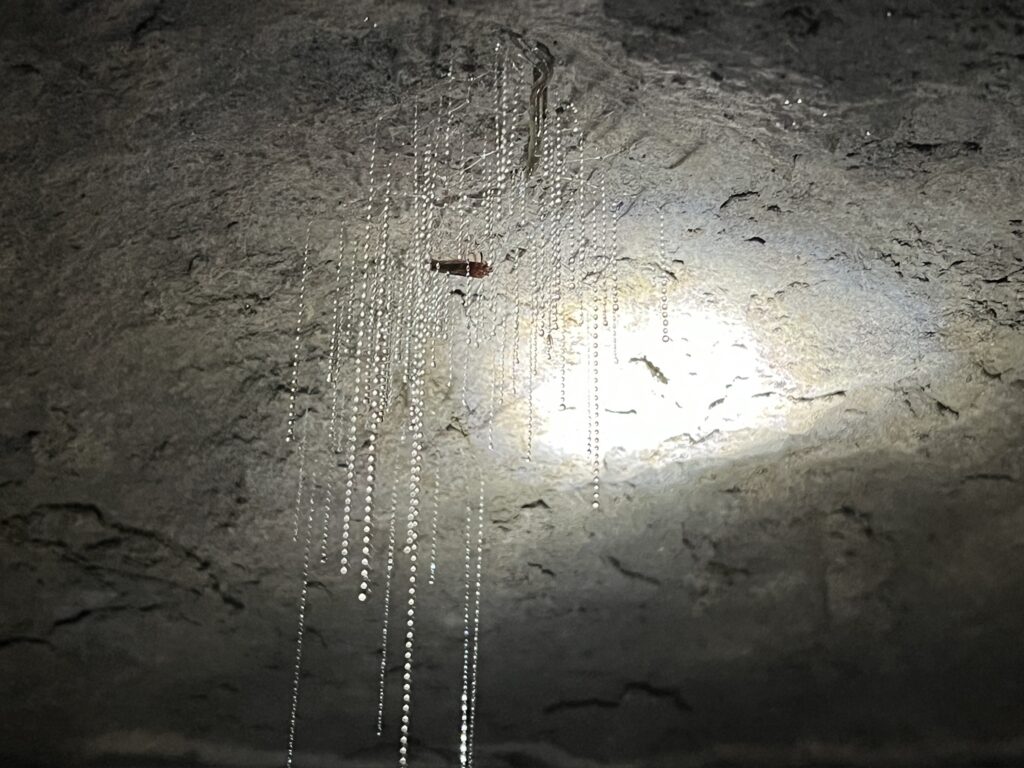
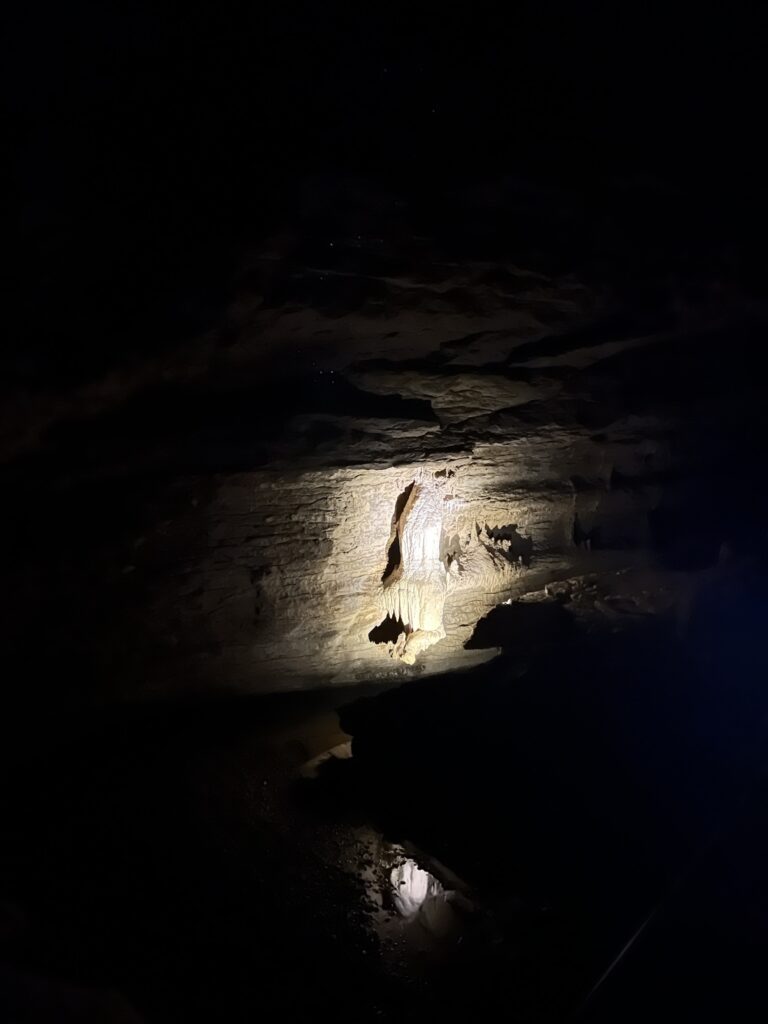
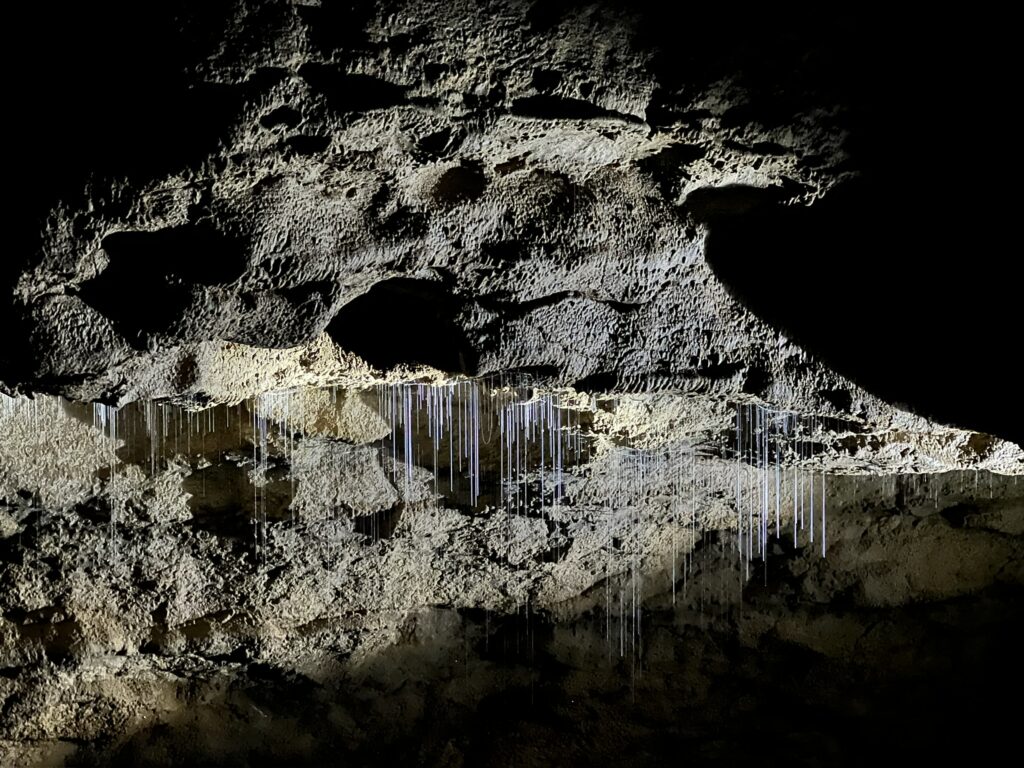
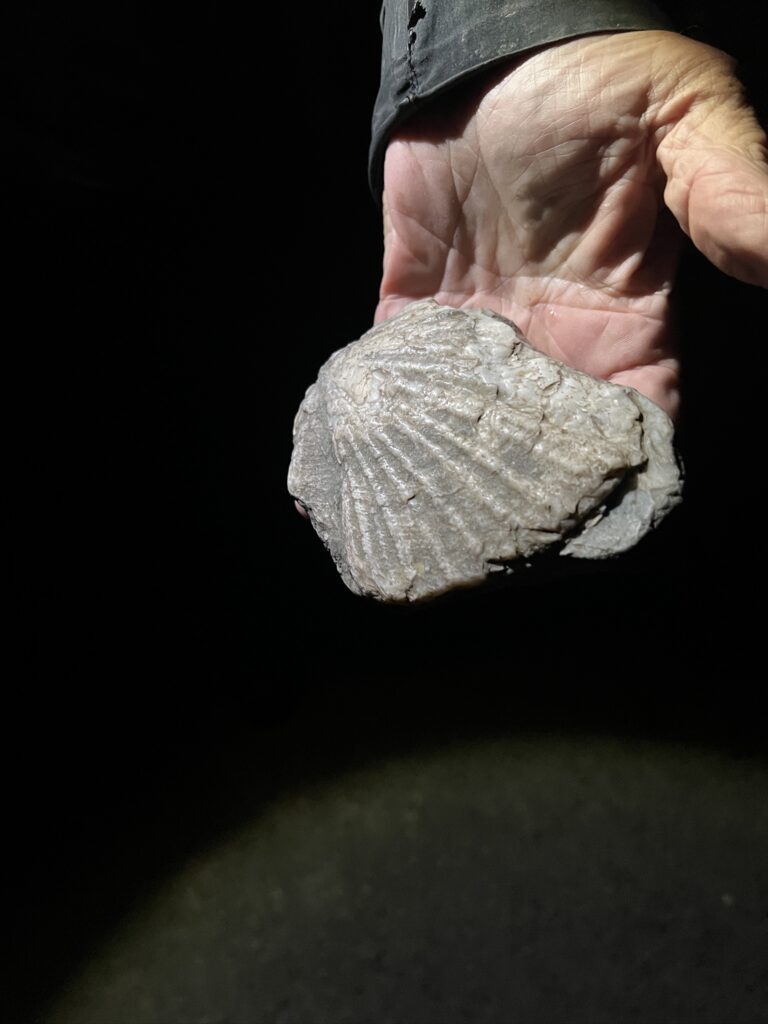
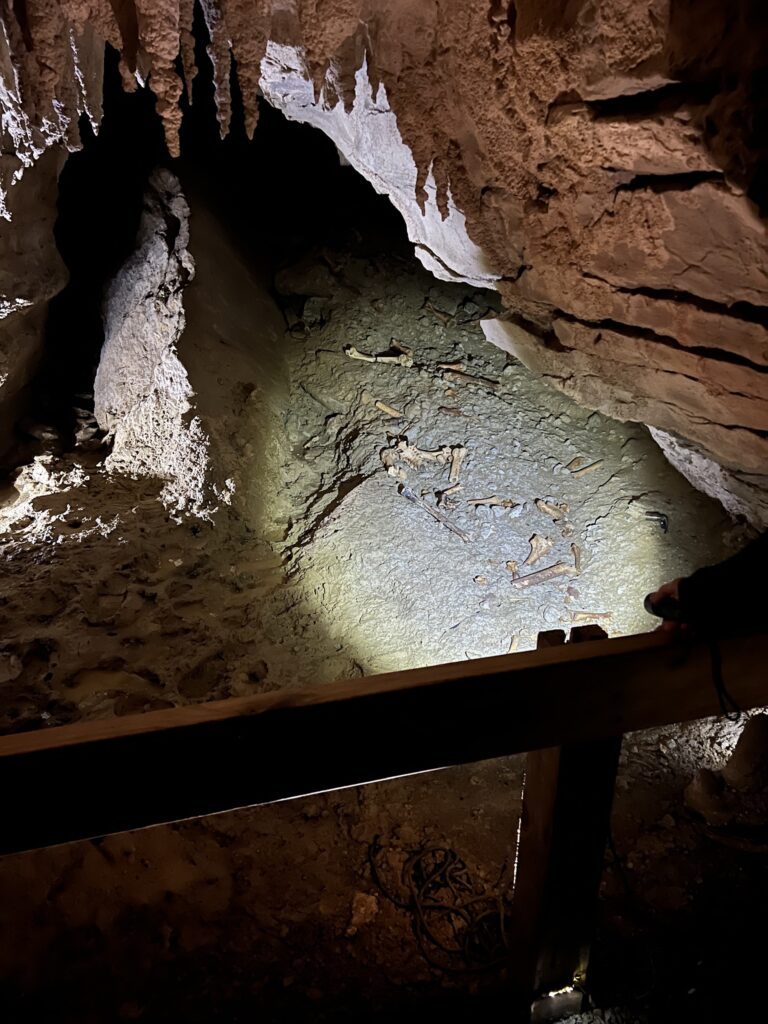
One cool thing Ross showed us was the Magnesium flare they used to use to light the cave.
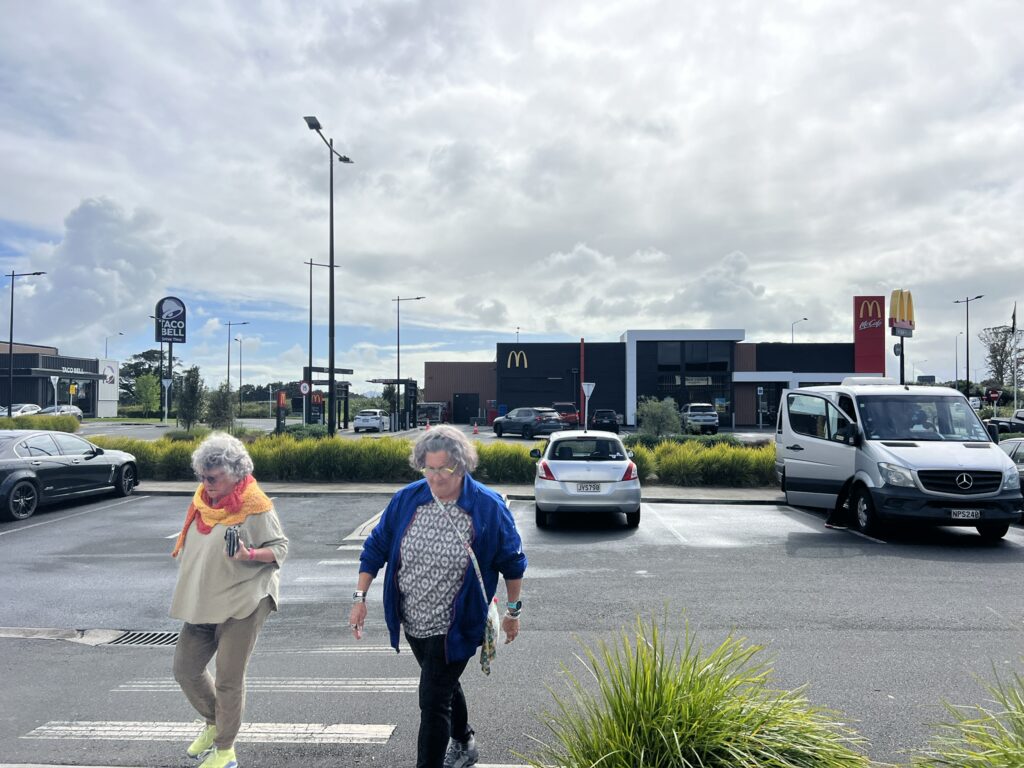
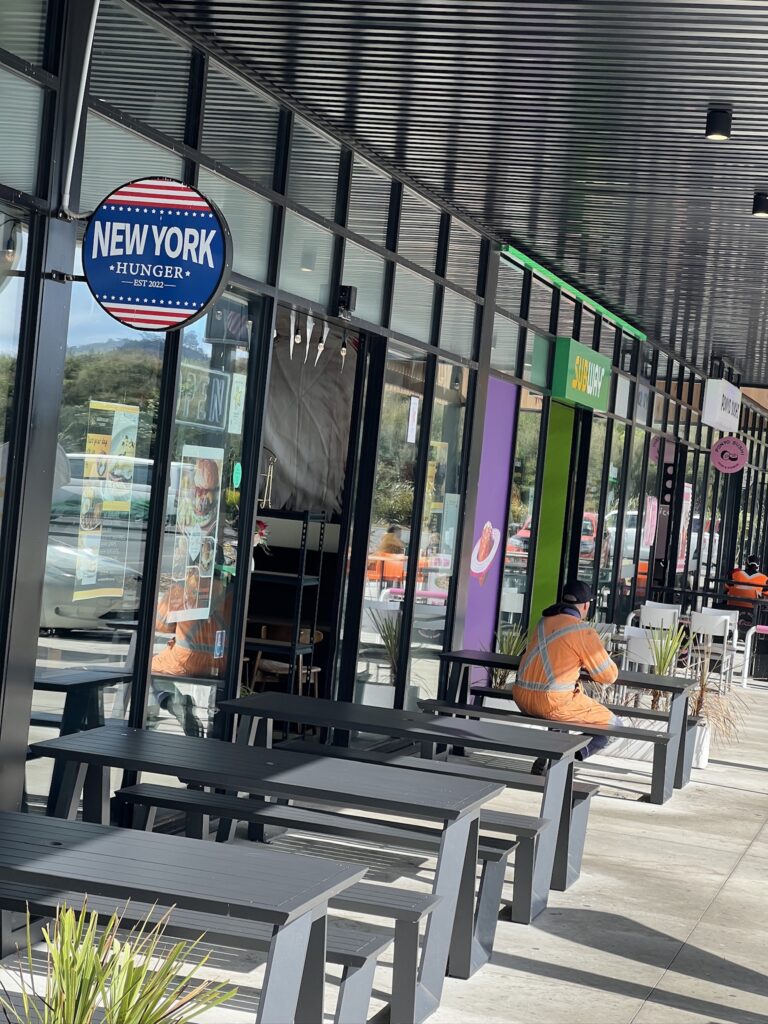
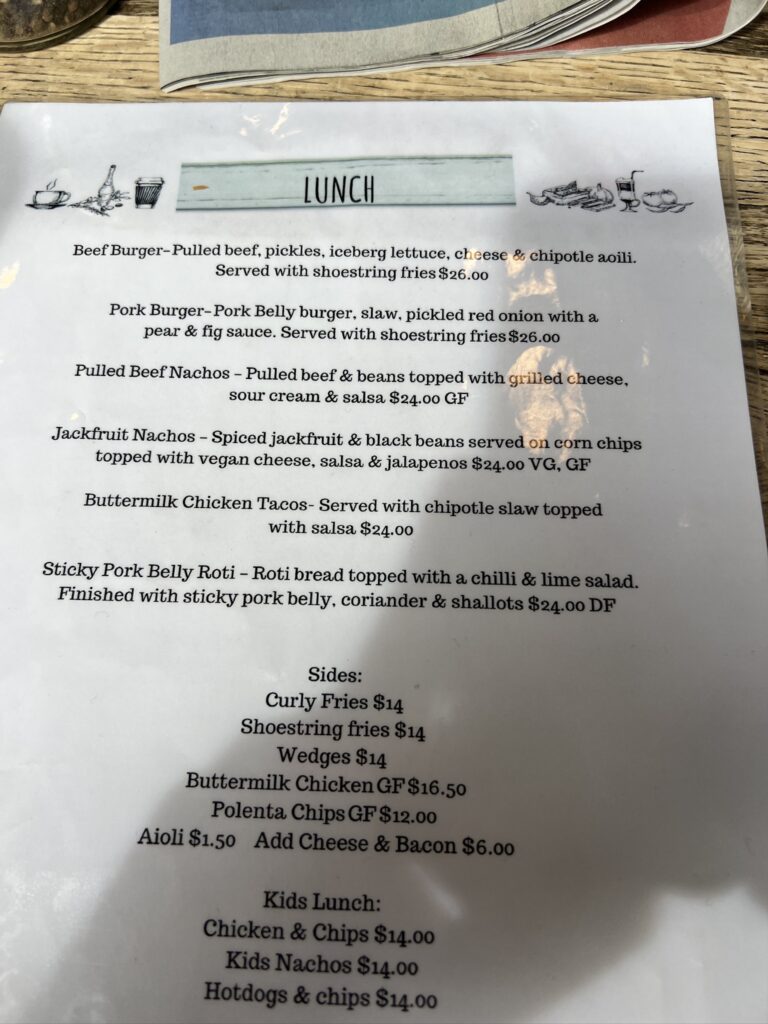
Ross took us back to Harry who took us to to lunch at a New Zealand, not an American restaurant in New Zealand.
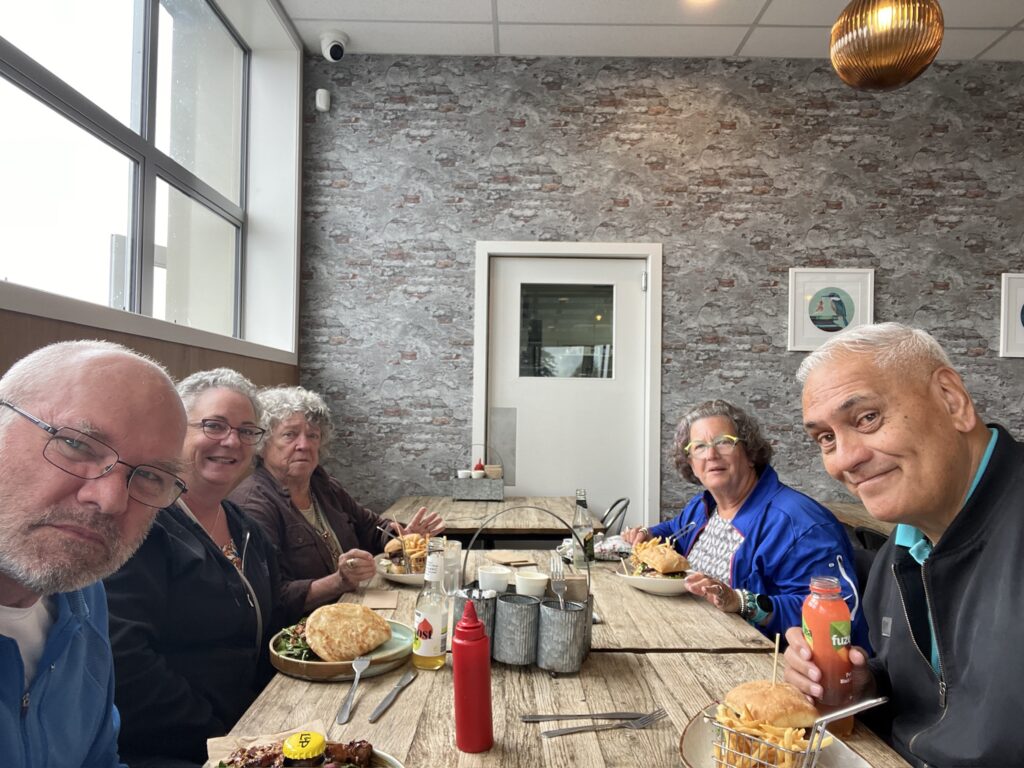
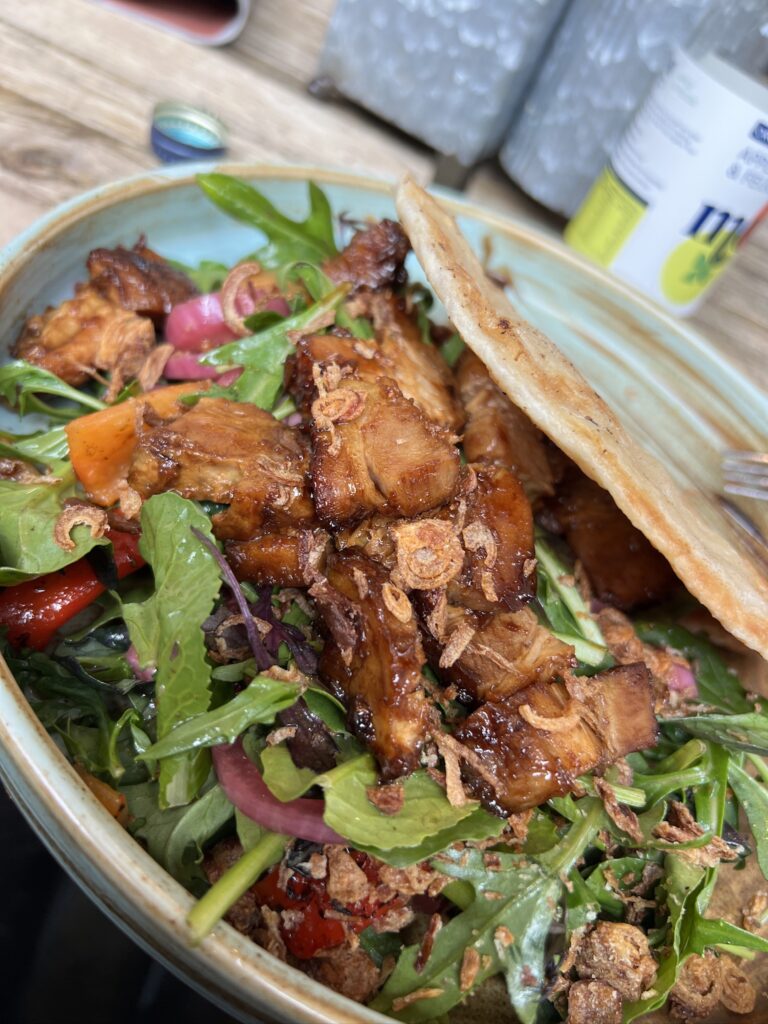
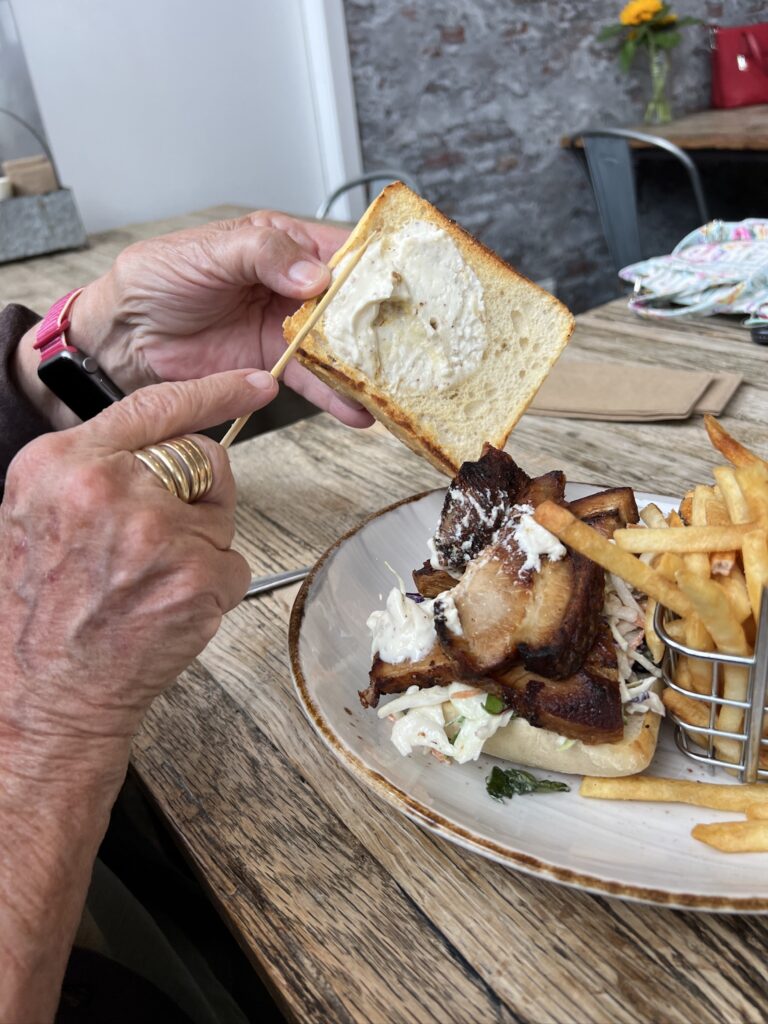
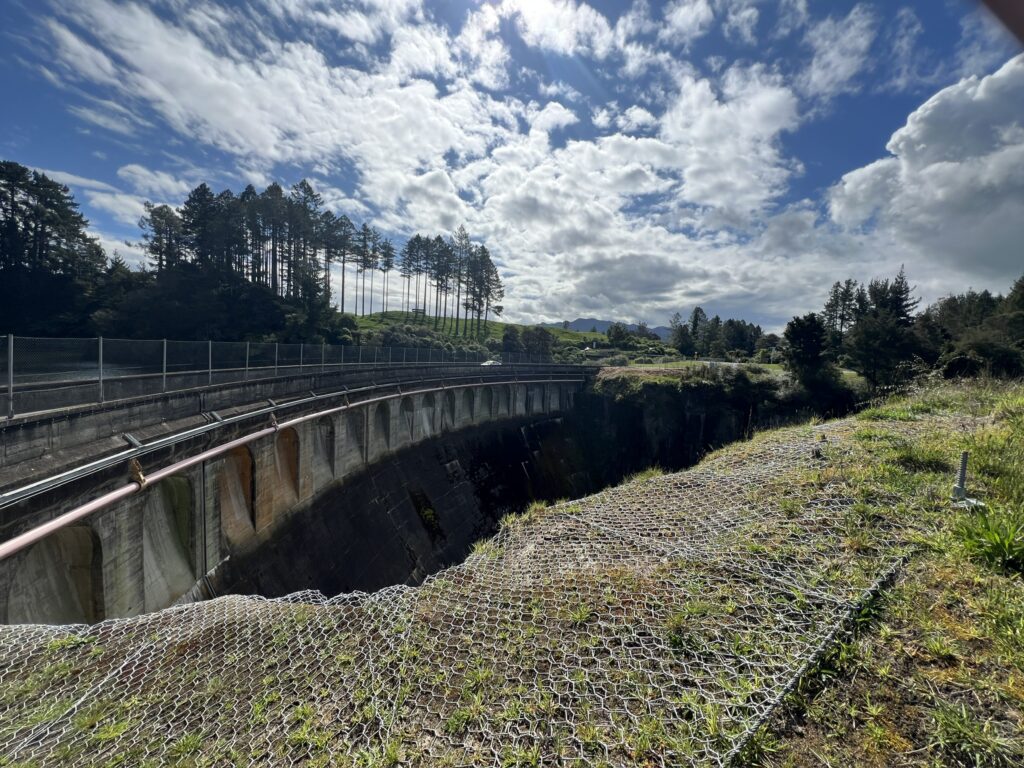
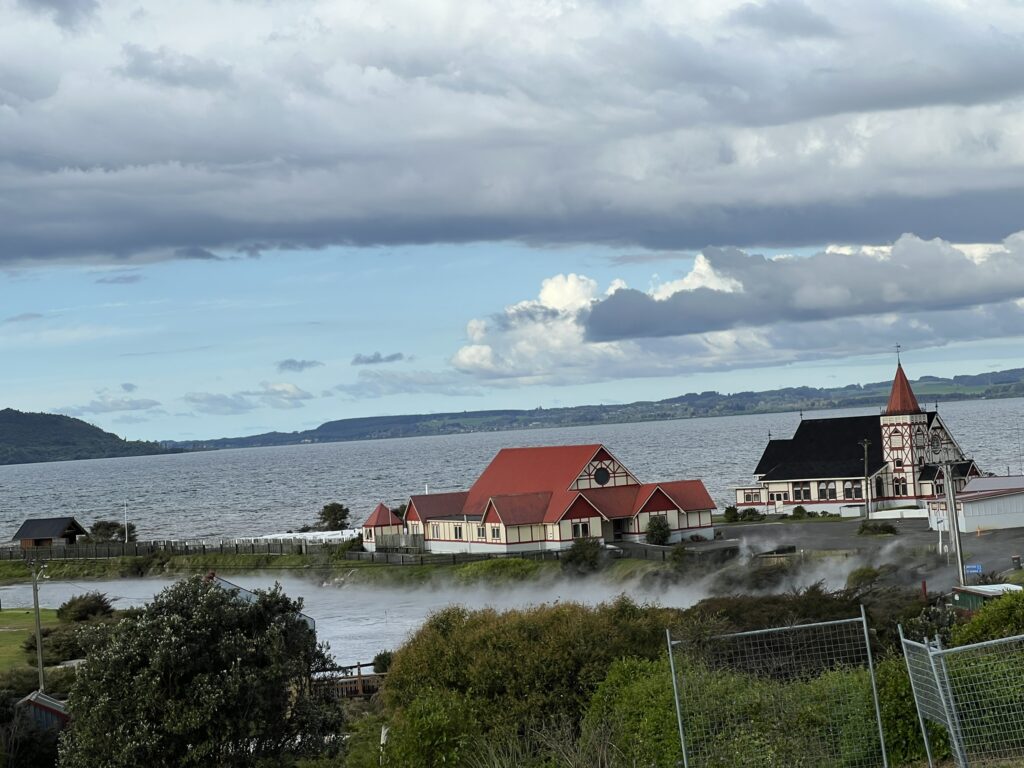
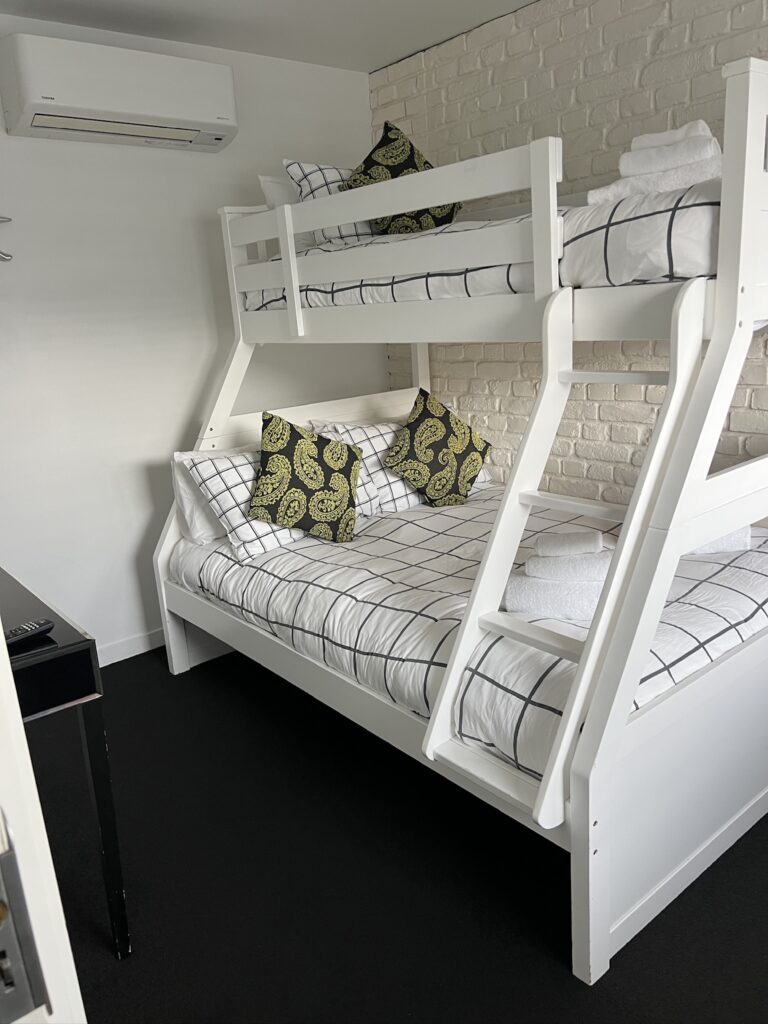
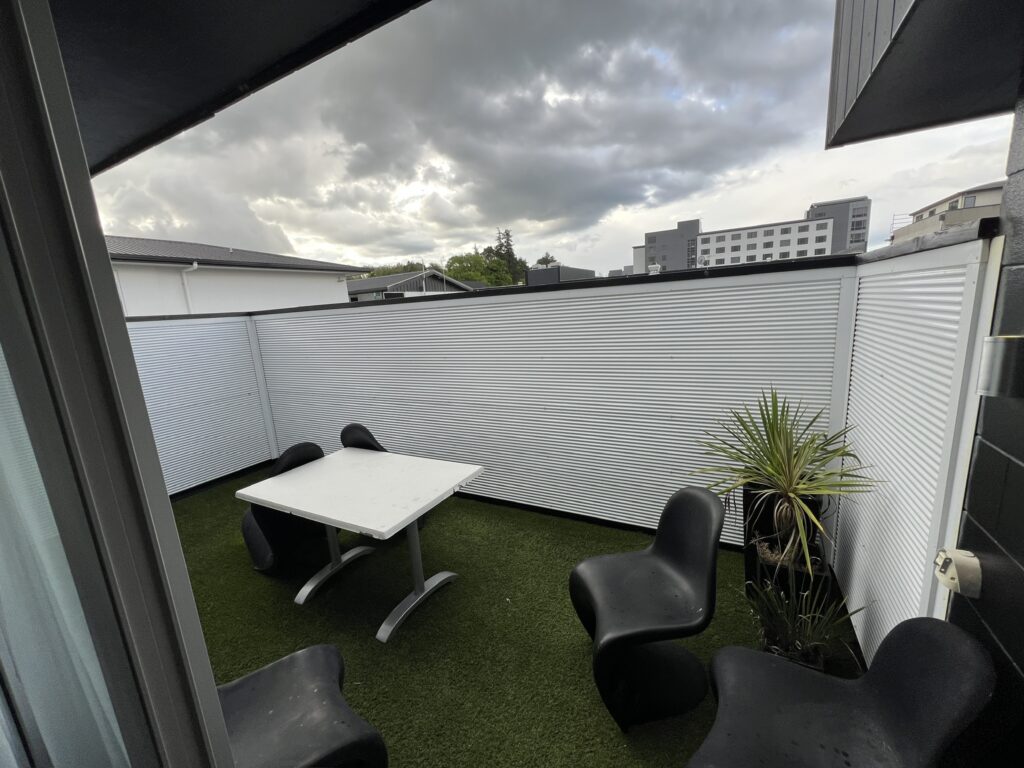
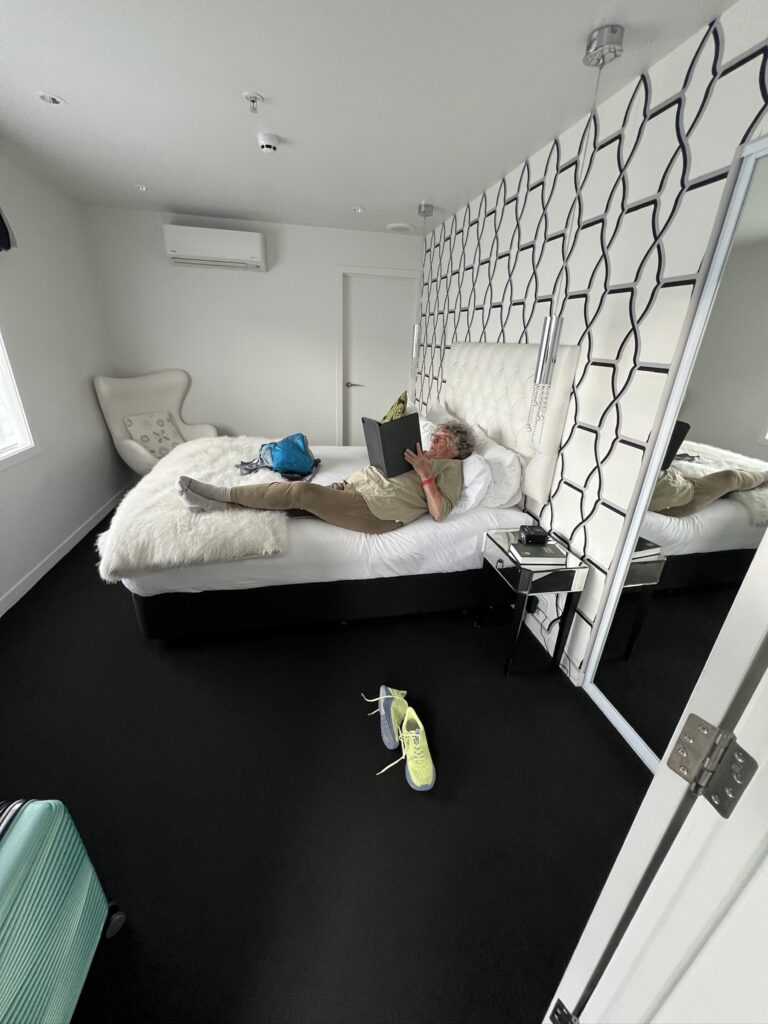
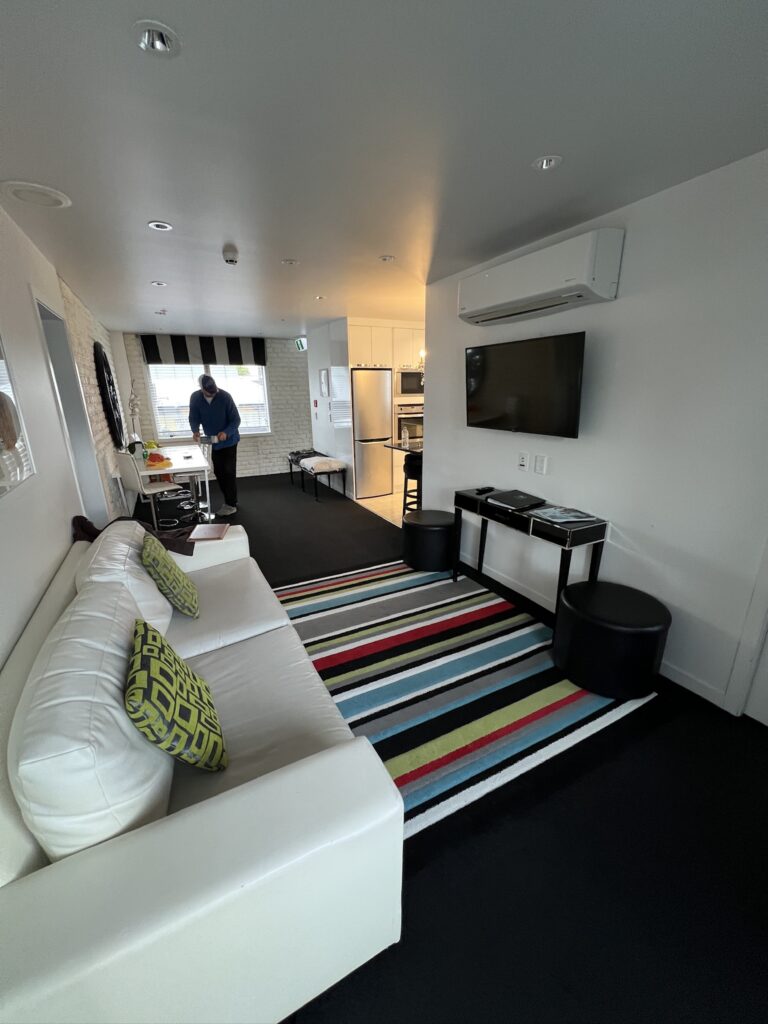
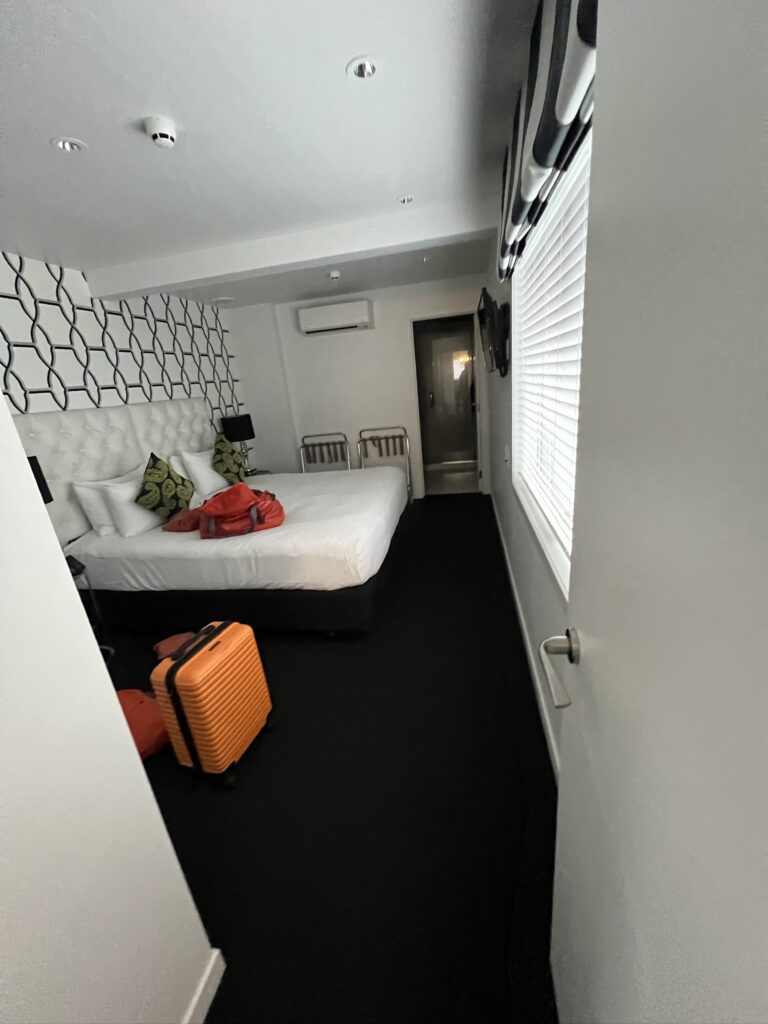
We also stopped along the way to view a dam. We tried walking along the path to get a better picture, but it wasn’t to be. We arrived in Rotorua with time to drive around the block and then to our hotel. Our hotel was close to the wharf where we would be going tomorrow and close to many restaurants and bars.
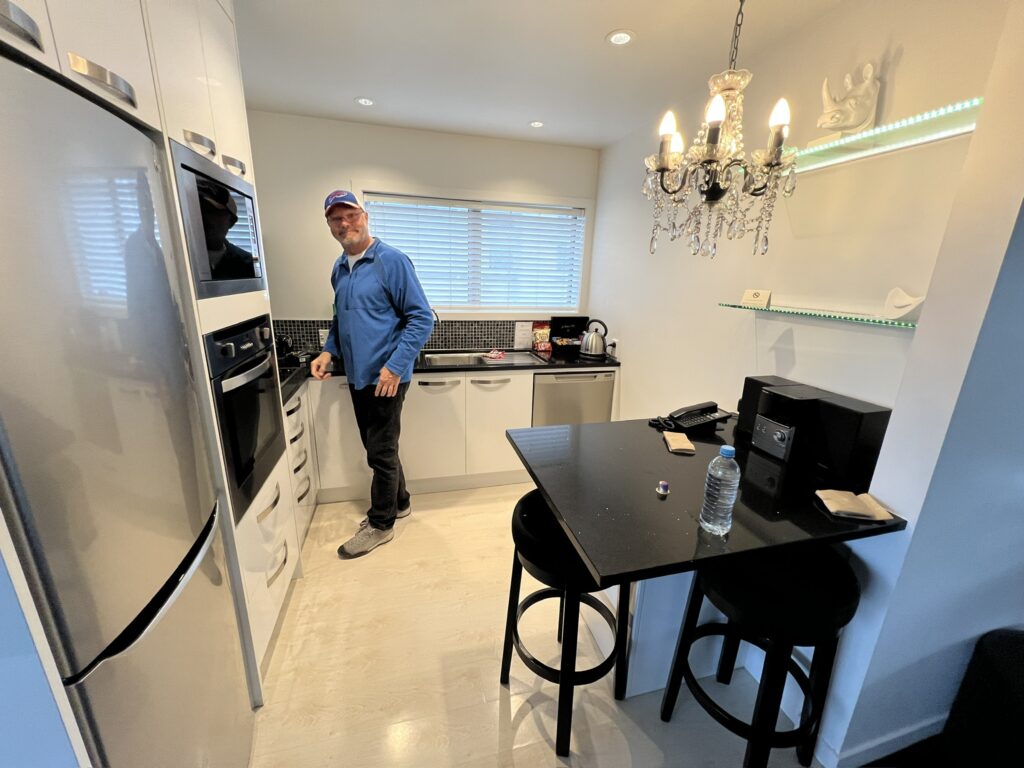
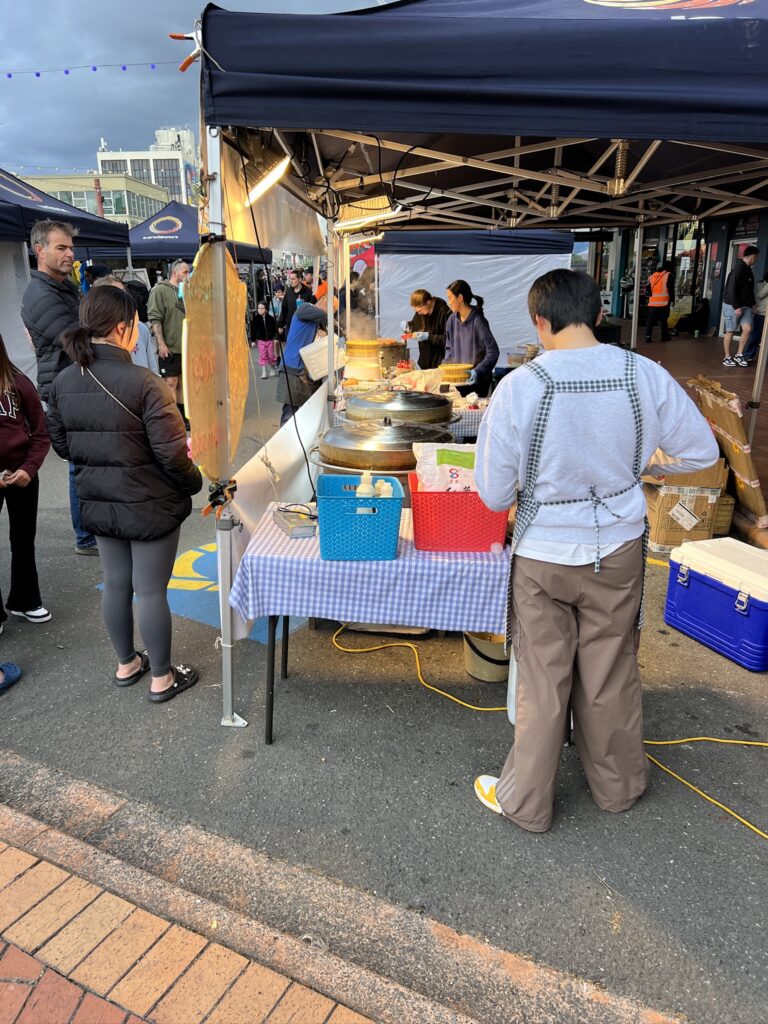
Dotty waanted to hit up an atm and took off for a walkabout. Jim and I decided to go to the grocery store to pick up some food for dinner. As we were walking and walking and walking and walking some more to find a store, we came across the Thursday night market. How easy it would have been to stop and pick up dinner. There were many tents with food and music acts performing. The market took up about 4 blocks or so.
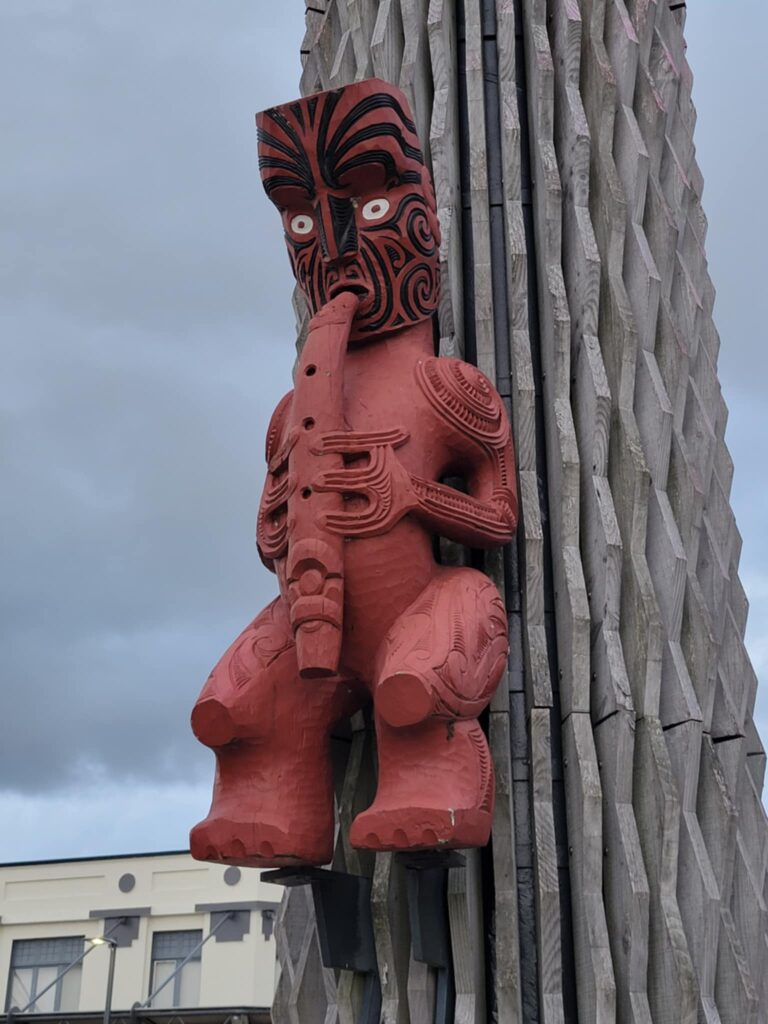
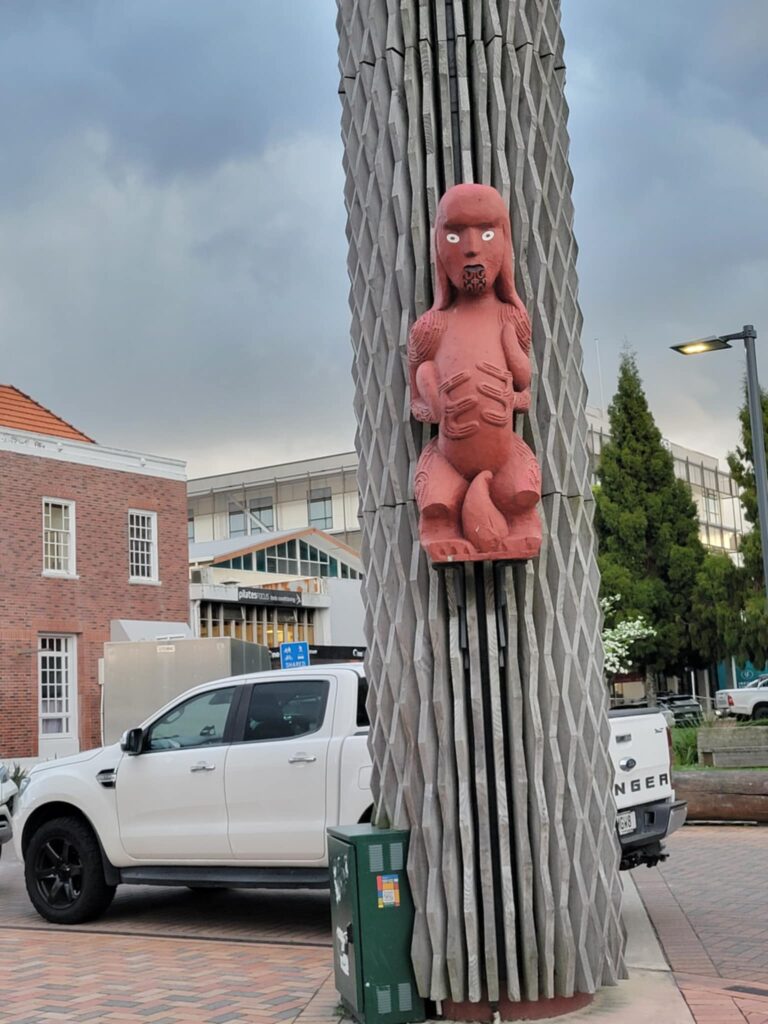
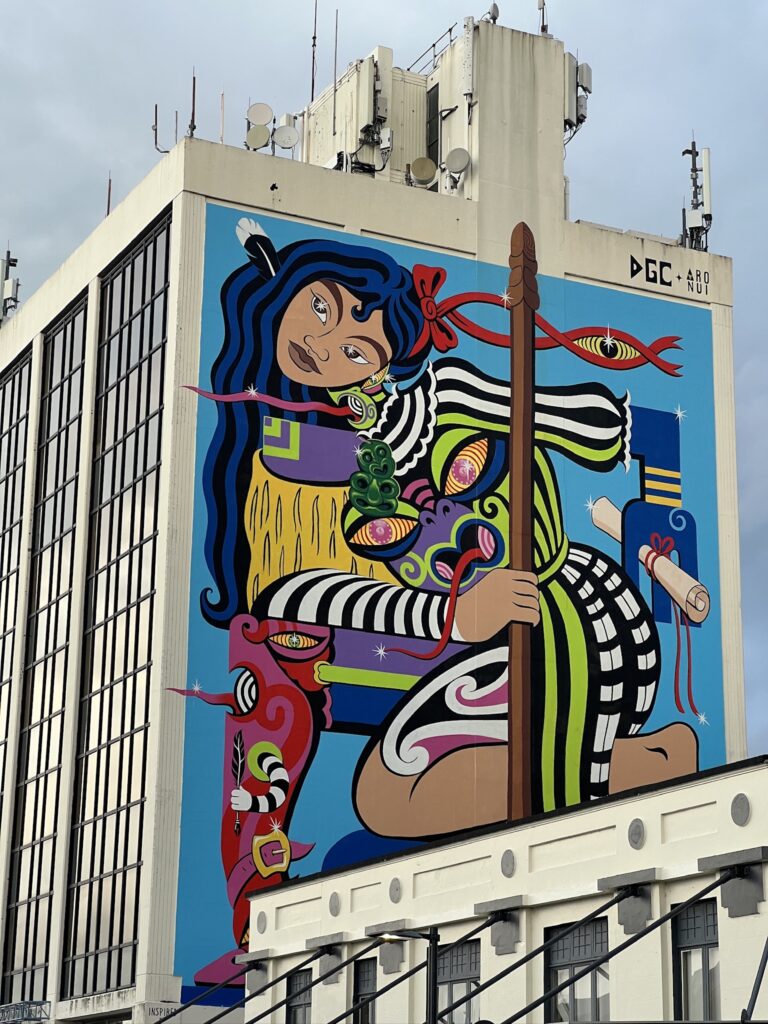
Back to the hotel to make hamburgers and salad and play Rummikub.
And then Prince Charles had tree ferns planted in his garden at Highgrove. Sadly, they do not thrive in Gloucestershire.